What Are Oxygen Nanobubbles?
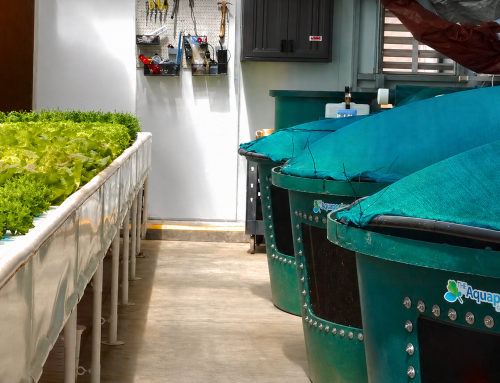
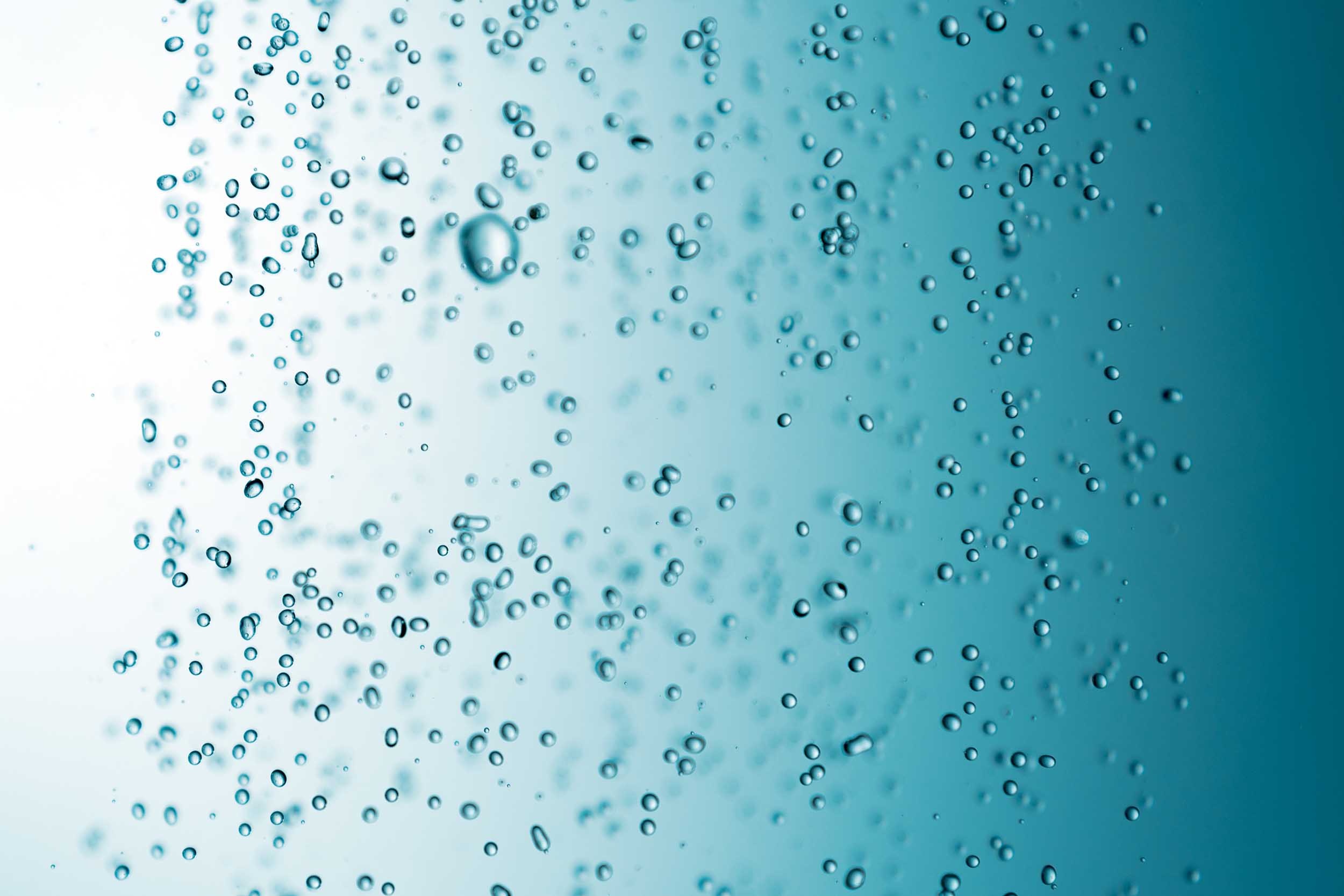
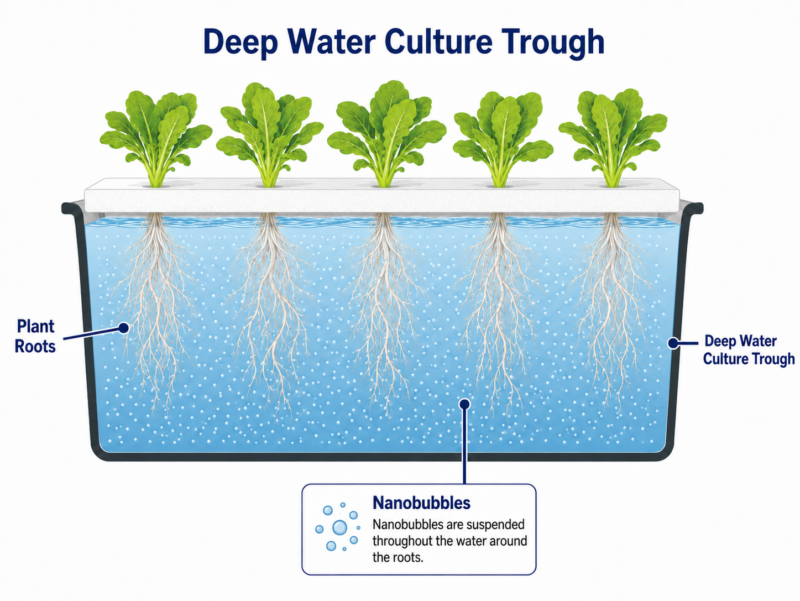
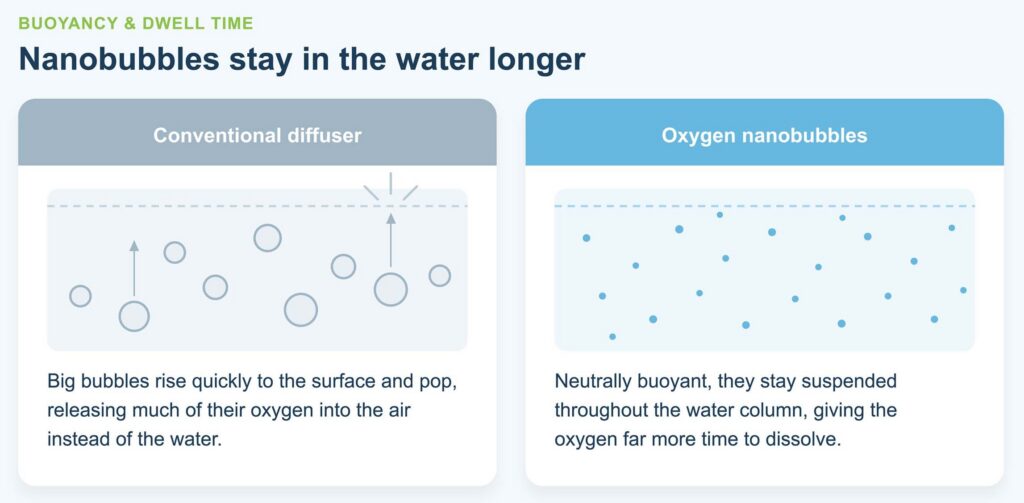
Oxygen nanobubbles are extremely small bubbles created by specialized equipment and introduced into the water. Because they are much smaller than the bubbles produced by a conventional diffuser, they behave differently.
Larger bubbles rise quickly and release a significant amount of their oxygen when they pop at the surface. Nanobubbles are neutrally-buoyant and remain suspended in the water for much longer, giving the oxygen more time to dissolve and become transported throughout the system.

Key Benefits of Oxygen Nanobubbles in Hydroponics and Aquaponics
Dissolved oxygen is one of those system parameters that can be easy to take for granted until it becomes a problem. Healthy roots require oxygen for respiration. Beneficial microorganisms rely on it to support the biological processes. Fish absorb dissolved oxygen through their gills and use it for respiration, swimming, digestion, growth, and other essential body functions. Without enough dissolved oxygen, fish become stressed and can suffocate. When oxygen becomes limited, roots can become stressed, nutrient uptake may decline, and conditions can become more favorable for undesirable anaerobic activity.
By maintaining a stronger oxygen reserve in the plant water, oxygen nanobubbles may support:
- Healthier root development
- More consistent conditions across large growing beds
- Better resilience during periods of high temperature or biological demand
- More uniform crop growth
- Reduced low-oxygen pockets within the system
Traditional aeration methods such as air stones, diffusers, waterfalls, and venturis work well for many systems. But as production systems become larger, warmer, or more heavily planted, it can become difficult to maintain consistent dissolved oxygen throughout the entire plant-growing area year-round. Oxygen nanobubble technology gives us another way to address that challenge.
Where the Technology Makes the Most Sense
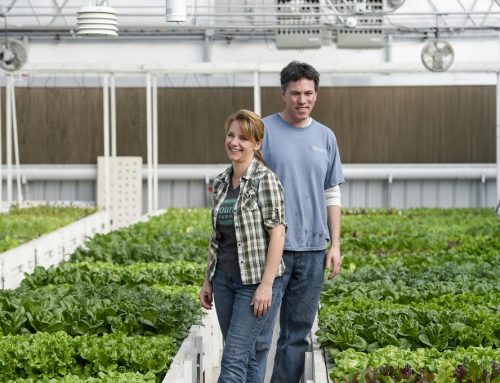
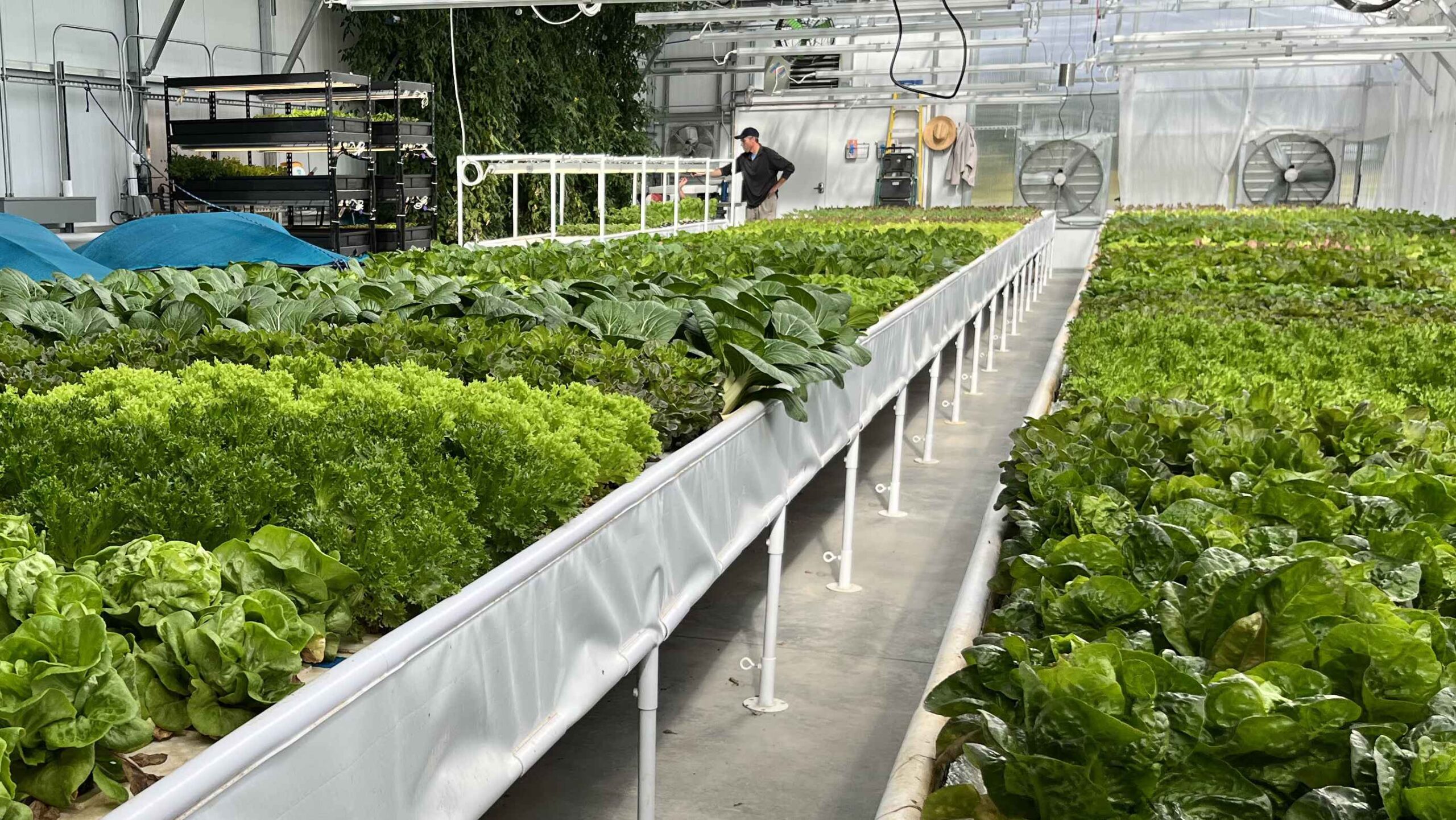
In our experience, oxygen nanobubbles tend to provide the most value in medium to larger systems where ordinary aeration is struggling to keep up. Examples include:
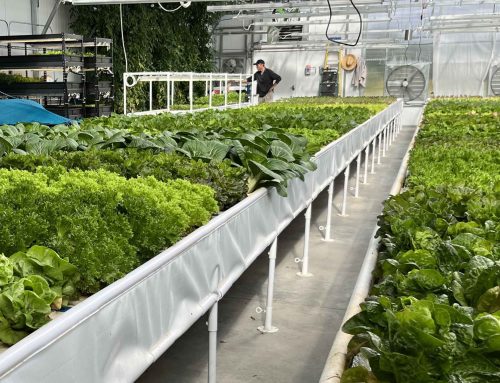
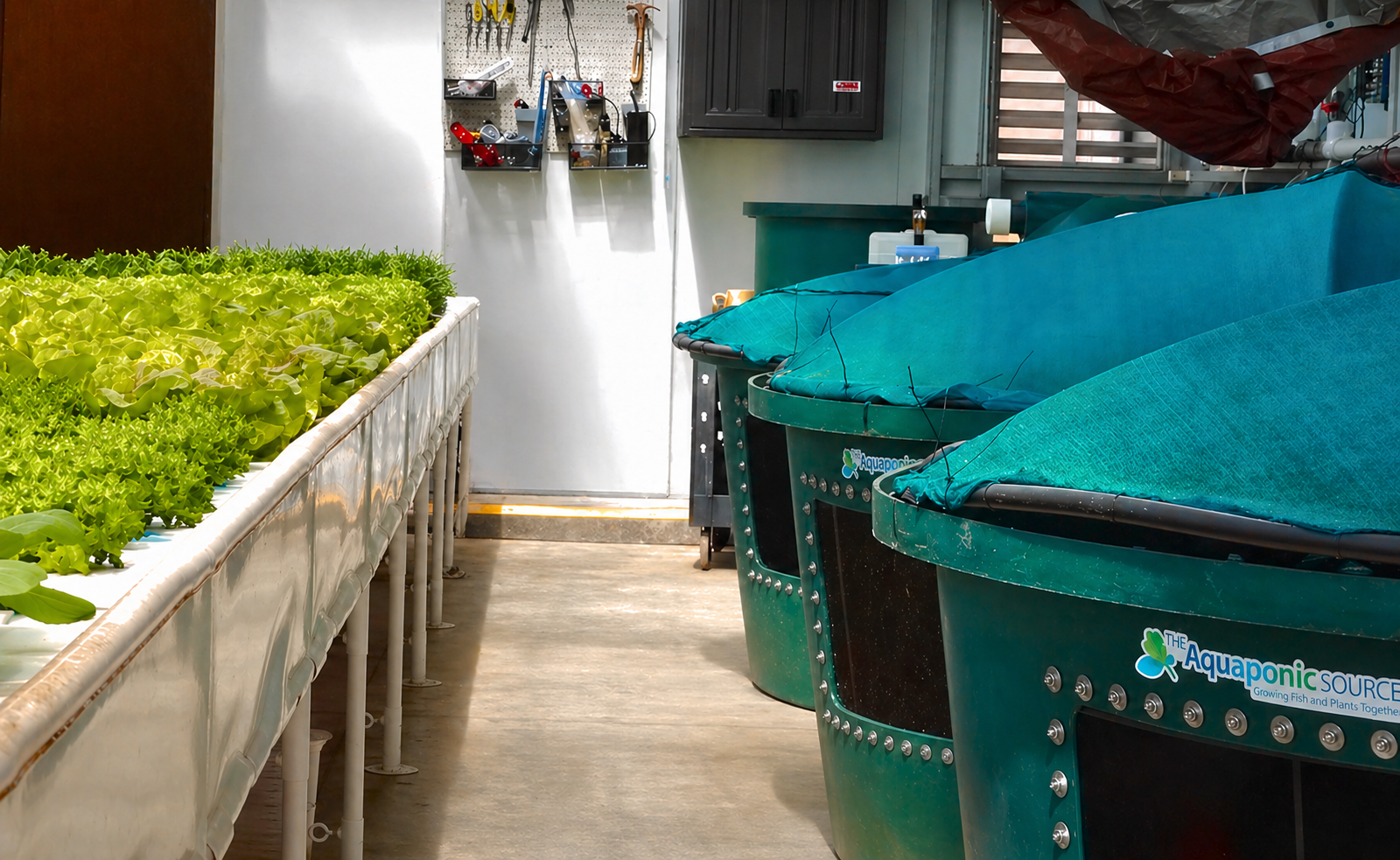
- Large or wide deep water culture beds (80+ feet long)
- High-density leafy green production
- Systems with warm water
- Farms where dissolved oxygen varies significantly from one area to another
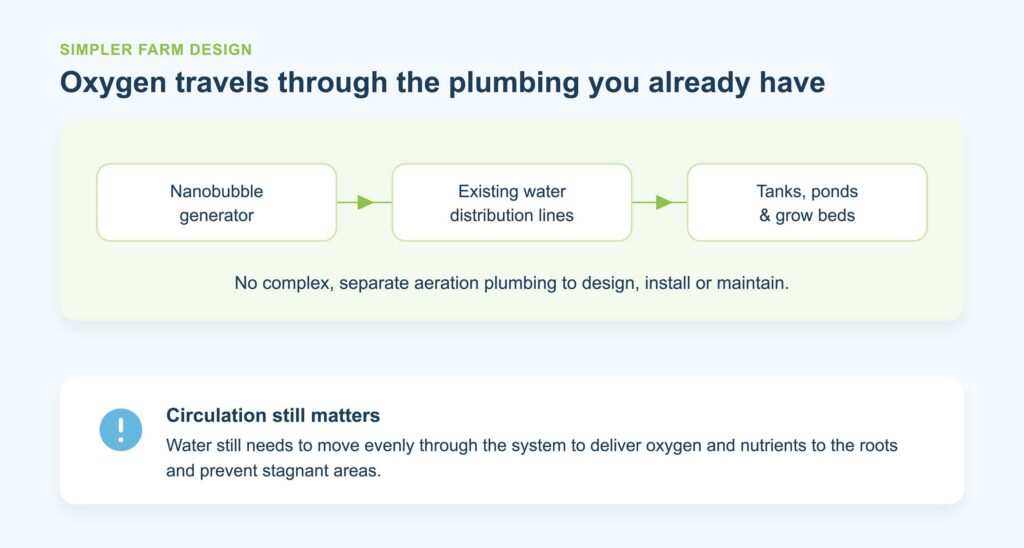
- Facilities that want additional oxygen capacity without filling the growing area with more diffusers and air lines
Application in Warm and Humid Climates
Warm and humid climates are an especially good example. We have seen encouraging results at farms in Texas, Florida, and other parts of the Southeast.
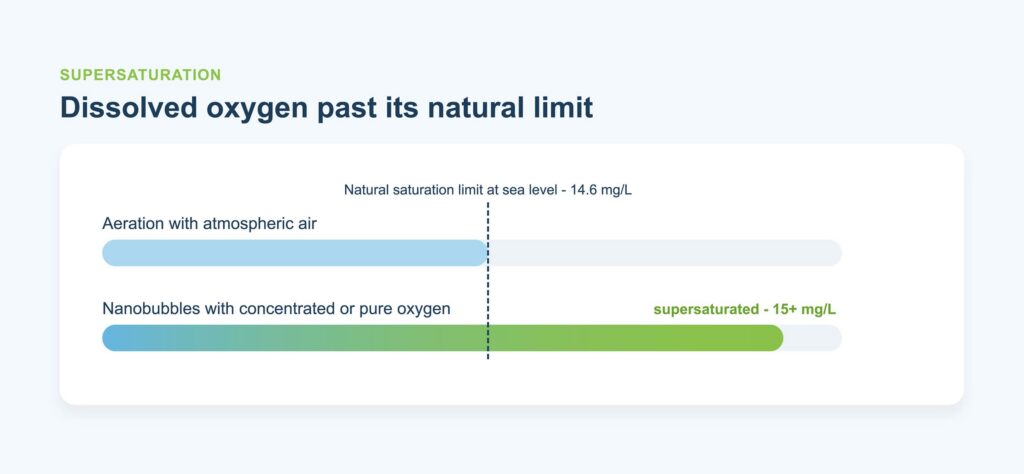
As water temperature rises, its natural ability to hold oxygen decreases. At the same time, plant roots, microorganisms, and decomposing organic matter continue consuming oxygen. This can create a situation where the farm’s oxygen demand is increasing while the water’s oxygen-holding capacity is decreasing.
Commercial greenhouse systems in warm climates may also have limited ability to cool the water, particularly during long periods of hot, humid weather. Nanobubble systems can help by maintaining dissolved oxygen at or above the saturation levels that conventional atmospheric aeration can achieve under those conditions.
Research Trials, Yield Improvements, and Season Extension
Research and commercial trials have reported improvements in root health, crop uniformity, and yield in some hydroponic systems. For example, a controlled lettuce trial found healthier roots and an 11% increase in harvested weight compared with its untreated control.
In several aquaponic and hydroponic farms, nanobubbles have been used as a tool for season extension where it may be too hot to grow leafy greens through the summer months. Some farms are able to grow later into the summer and start earlier in the fall, if not throughout the entire summer season when lettuce would typically bolt or die from pythium.
These results are useful context, but they are not a promise of what every farm will experience. The outcome depends heavily on the farm’s starting conditions. A system that is already well oxygenated may see a smaller benefit than one that regularly experiences low dissolved oxygen.
When Is It NOT Worth the Investment?
The technology may be less compelling in a small, lightly stocked system that already maintains stable dissolved oxygen with a basic air pump and diffuser. Adding equipment simply for the sake of adding technology rarely makes sense. The best applications are usually the ones where there is a clear oxygen-transfer or distribution problem to solve.
Aquaponics Considerations: Plant Loop vs. Fish Loop
In aquaponic applications, we currently use nanobubble generators only on the plant side of the system.
Early results involving nanobubbles in fish systems appear promising for dissolved oxygen and biofilter performance, but there is still more to learn about long-term fish exposure and overall safety. For now, we believe the plant loop is the most appropriate and best understood application.
Managing Expectations: Useful Tool, Not a Cure All
It is also important to be realistic about what oxygen nanobubbles cannot do. They are not a guaranteed method of preventing Pythium or other root diseases.
We have experienced a Pythium outbreak at a brand-new farm with excellent environmental conditions and dissolved oxygen levels. Pathogens can still enter through seedlings, tools, water, insects, workers, and other sources. Disease pressure is affected by sanitation, temperature, circulation, plant health, and biosecurity, not dissolved oxygen alone.
Is an Oxygen Nanobubble System Right for Your Farm?
Oxygen nanobubbles are best viewed as one part of a larger system management strategy. When applied to the right farm, they can provide a useful additional layer of oxygen control, especially in large systems and warm climates where conventional aeration is reaching its practical limits.
If you want to optimize your farm design or explore whether an oxygen nanobubble system fits your commercial operation, contact our team today to discuss your custom project.