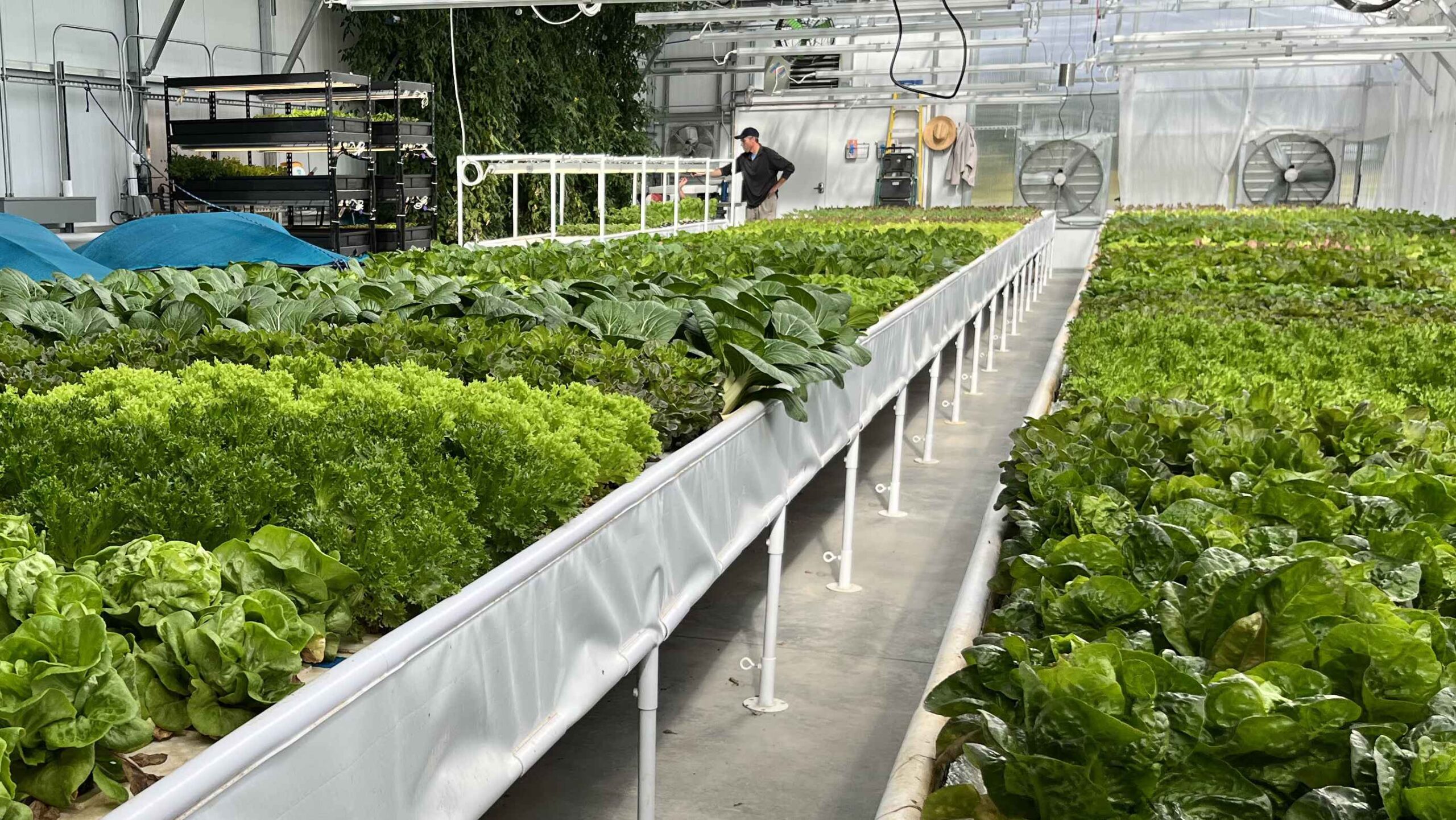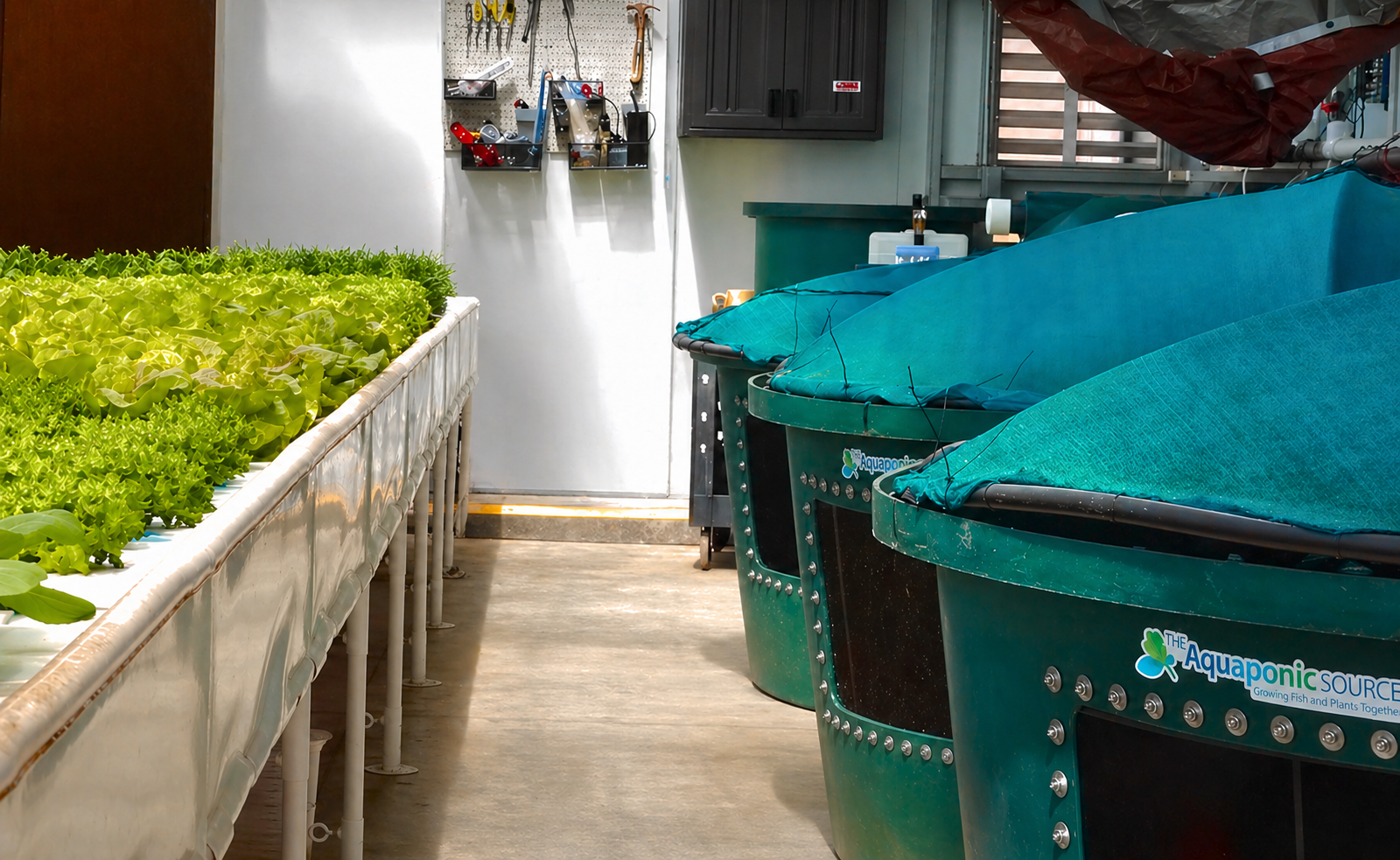
When deciding between aquaponics vs hydroponics, the right choice depends entirely on your specific goals. Both growing methods might be suitable if you are looking for speedy, efficient plant growth. Aquaponics offers the distinct advantage of being a harmonious ecosystem that provides fresh protein (fish) along with hydroponic greens and vegetables. Both hydroponics and aquaponics represent the model for water-efficient, soil-less gardening, but they differ in their nutrient sources, maintenance requirements, and overall sustainability.
The Basics: An Overview of Aquaponics vs. Hydroponics
Before diving into the technical differences, it is important to understand that both systems share a common foundation: they grow plants in a nutrient-rich water solution rather than soil. This allows for faster growth rates and the ability to grow food in places where traditional farming is impossible.
What is Aquaponics?
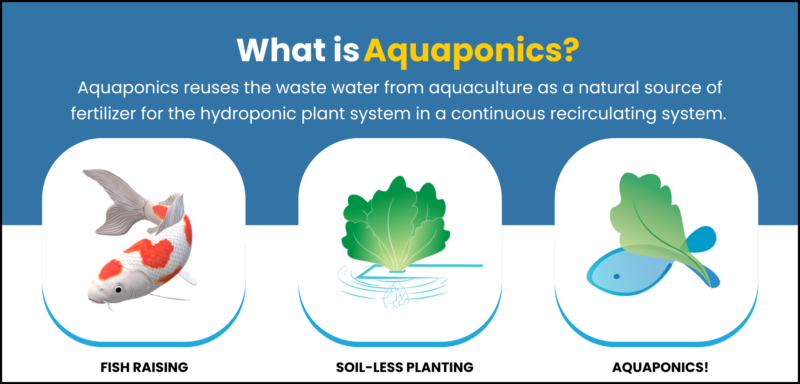
Aquaponics is a symbiotic ecosystem that combines aquaculture (raising fish) with hydroponics (growing plants without soil). In this system, fish waste provides an organic food source for the plants, and the plants act as a natural filter for the water the fish live in. A bacteria colony is cultivated to convert fish waste into safe, usable plant nutrients. This creates a system where the only major input is fish food. It’s a biological process that mimics nature’s own nitrogen cycle.
What is Hydroponics?
Hydroponics is a method of growing plants in a water-based, nutrient-rich solution. Instead of relying on fish for nutrients, hydroponic growers add precise amounts of synthetic mineral salts (fertilizers) directly into the water. Because the nutrients are delivered directly to the roots, plants can grow more quickly than they would in soil.
5 Key Differences Between Aquaponics vs Hydroponics
Understanding the why behind each system helps clarify which path fits your lifestyle or business model.
- Nutrient Source (Organic vs. Synthetic): In aquaponics, your nutrients are derived naturally from fish waste. In hydroponics, you rely on bottled, synthetic nutrient solutions. For many, the organic nature of aquaponics is the primary draw.
- Water Conservation and Discharge: While both are water-efficient, hydroponic systems eventually must deal with salt buildup from the fertilizers. This requires growers to occasionally flush and replace their water. In contrast, an established aquaponic system can go years without a full water change.
- The Learning Curve: Hydroponics is often seen as more straightforward for beginners because you are simply following a recipe for nutrients. Aquaponics requires an understanding of biology, as you are balancing fish, plants, and the beneficial bacteria that bridge the two.
- System Startup Time: A hydroponics growing system can be productive on day one. An aquaponic system requires a short amount of time to build up the bacterial colonies needed to process fish waste safely.
- Output Variety: Aquaponics provides two harvests: fresh produce and edible protein (like tilapia or catfish). Hydroponics is dedicated solely to plant production.
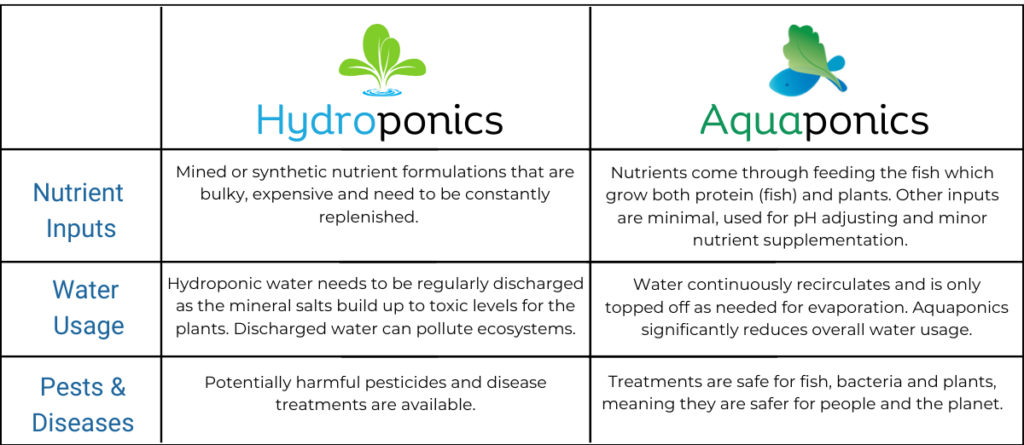
Hydroponic systems typically require a flush and dump of the nutrient reservoir every 2–4 weeks to prevent salt buildup, whereas established Aquaponic systems can go years without a full water change.
University of the Virgin Islands Agricultural Experiment Station
Why Your Goals Dictate Which System is Better for Your Business
For commercial entities, the choice between aquaponics vs hydroponics usually comes down to ROI, branding, and local market demand.
Which Types of Businesses Are Better for Aquaponics vs. Hydroponics?
Businesses that Can Benefit from Aquaponics
- Restaurants & Resorts: Establishments that want to market estate-grown fish and organic greens as a premium status symbol.
Example: Blackhwak Creek Grill in Texas uses one of our aquaponic systems to grow ingredients for salads, dressings, and other garnishes for their menu.
- Non-Profits & Community Farms: Organizations where the goal is sustainable community engagement and teaching the full cycle of food. Example: Community First Village
teaches rehoused folks how to grow food for and within their community greenhouse.
- Educational Institutions: Schools that need a comprehensive STEM tool to teach biology, chemistry, and environmental science through aquaponics systems for schools. Example: Diamond Technology Institute
provides their students with a hands-on way to learn science, sustainability, and food production.
Businesses that Can Benefit from Hydroponics
- Commercial Leafy Green Producers: Operations focused solely on high-volume lettuce or herb production where the fastest possible turnover is required.
- Urban Micro-Farms: Businesses with extremely limited space or those operating in areas where keeping fish is not logistically feasible.
- Research Labs: Entities that require a sterile environment with 100% control over the exact parts-per-million of every nutrient delivered to the plant.
Aquaponics vs. Hydroponics: Which is Better for Your Home?
For the residential grower, the decision is usually based on how much nature you want in your home or backyard.
The Aquaponic Home System
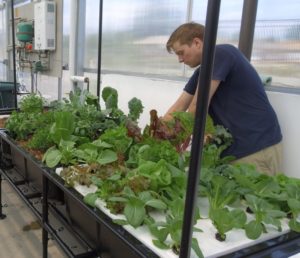 For those wanting the most natural & local experience, an aquaponics home system is the ultimate choice. It is perfect for homesteaders and retirees who have the time to enjoy the hobby of raising fish. Our Aquabundance aquaponics system offers a modular way to build this dream, providing a chemical-free garden that doubles as a beautiful backyard feature.
With our home systems, you can grow just about any menu item your diet requires. This includes fish, leafy greens, vegetables, herbs, and even ornamental flowers to spruce up your space.
Example: Residential System in Conifer, CO.
The Growasis DWC Hydroponic System
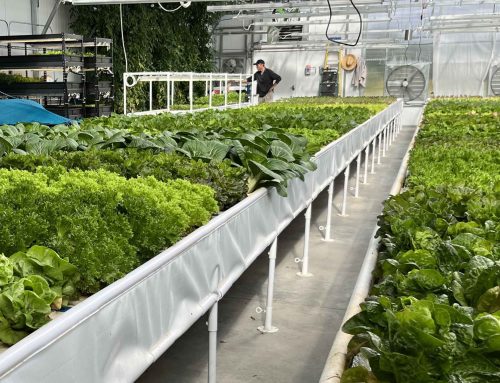
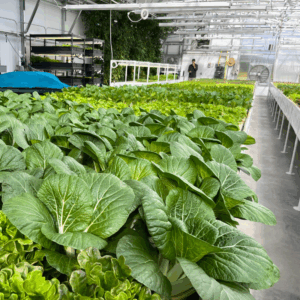 For those wanting a clean, low-maintenance indoor farm focus, the Growasis DWC hydroponic raft systems are the answer. If you’re interested in only growing the most efficient lettuce, kale and basil for your family, a Deep Water Culture (DWC) system provides incredible results with a much smaller footprint and a faster setup time.
Our line of Growasis DWC raft systems are available in three modular styles: ground, elevated, and double-decker. The elevated version offers growers the luxury of wasit-high growing. No bending, no reaching.
Making the Switch to Sustainable Growing
Whether you choose the ecosystem-driven path of aquaponics systems or the precision-driven path of hydroponics, you are making a choice that benefits the planet. Both methods are sustainable, using just a fraction of the water of traditional gardening and allow for year-round food security and production.
At The Aquaponic Source, we specialize in Standardized Customization. We don’t believe in a one-size-fits-all approach because every home, school, and business has different needs. Whether you are a commercial grower looking for an aquaponics immersion course to get started or a homeowner ready to design your own backyard oasis, our team is here to provide the engineered reliability you need.
If you are still undecided on which system is right for your space, the best next step is to explore our getting started checklist or contact us today for a professional consultation. Let’s grow something amazing together.