TapRoot Farms
Port Williams, Nova Scotia
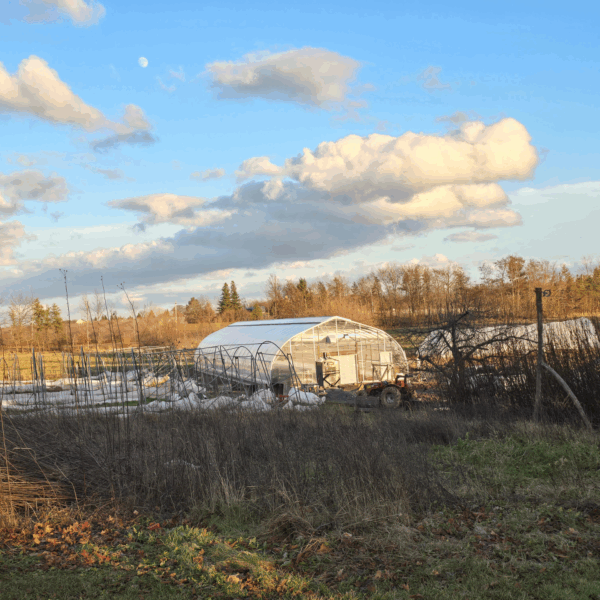
TapRoot Farms is a family operation located in Port Williams, Nova Scotia. Since purchasing the organic farm in 2007, Patricia Bishop and Josh Oulton have been steadily increasing the number of acres in transition to organic. Today TapRoot Farms is 70% organic.
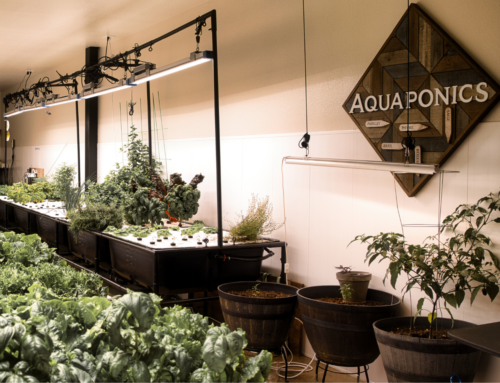
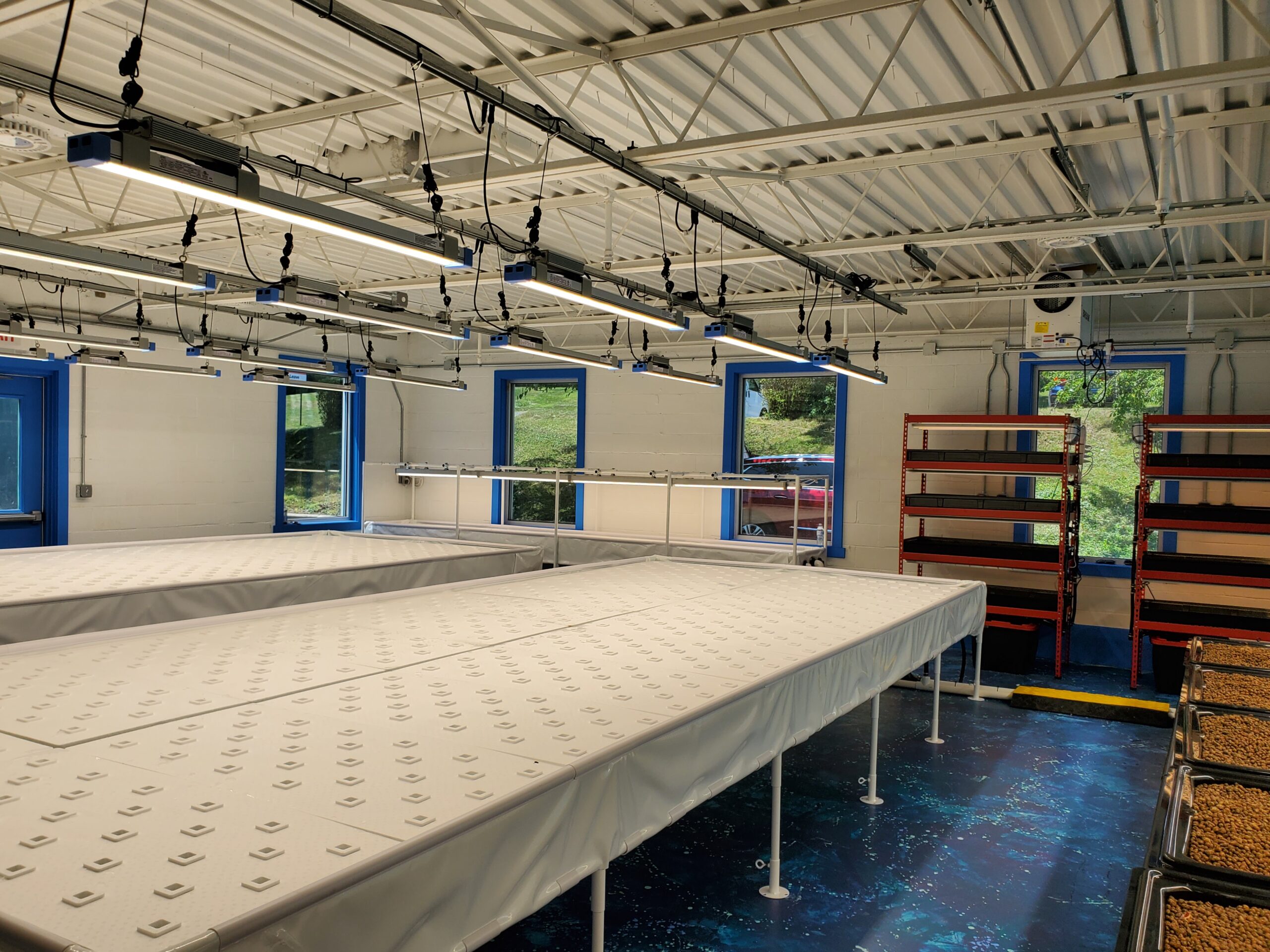
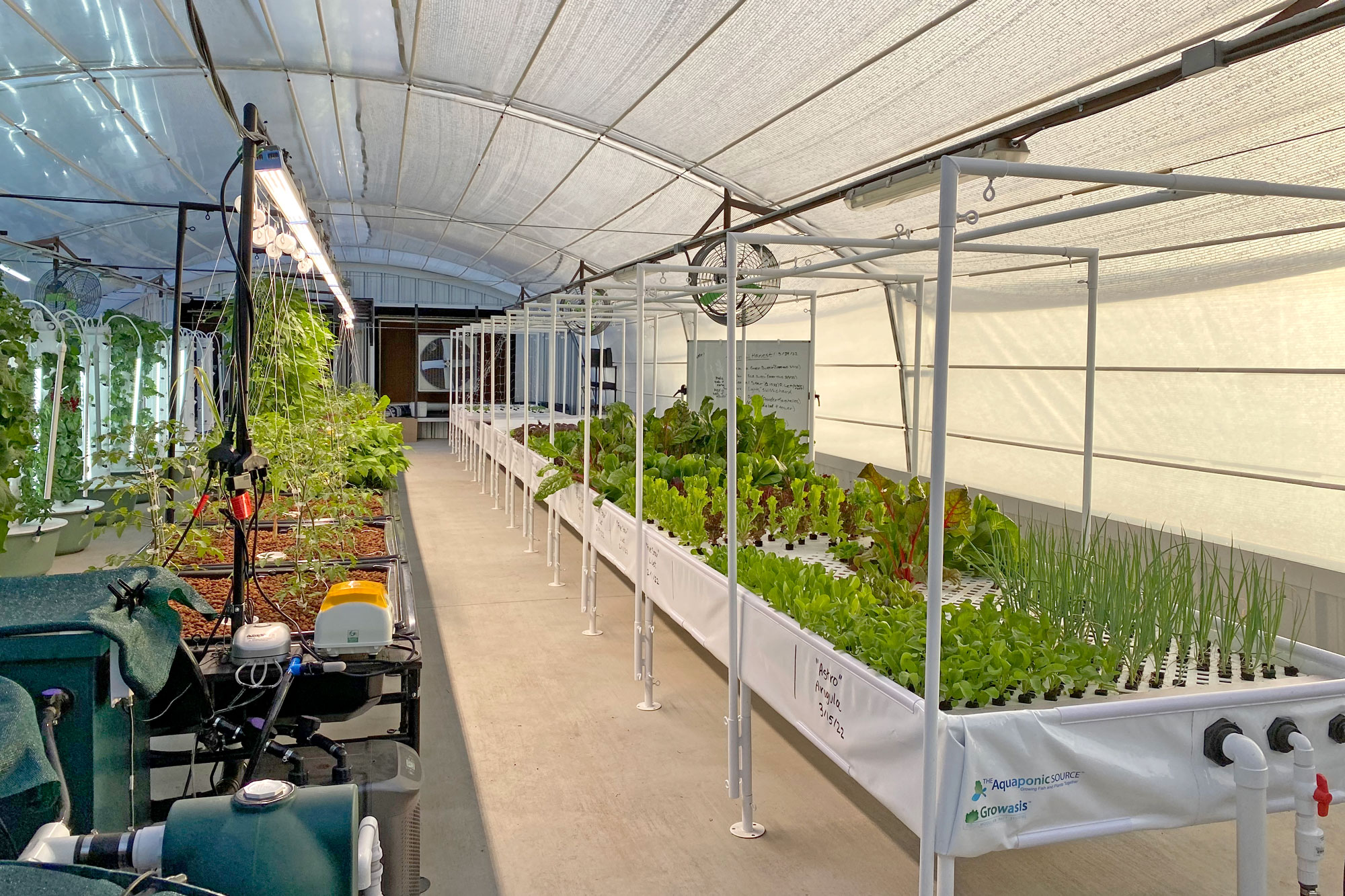
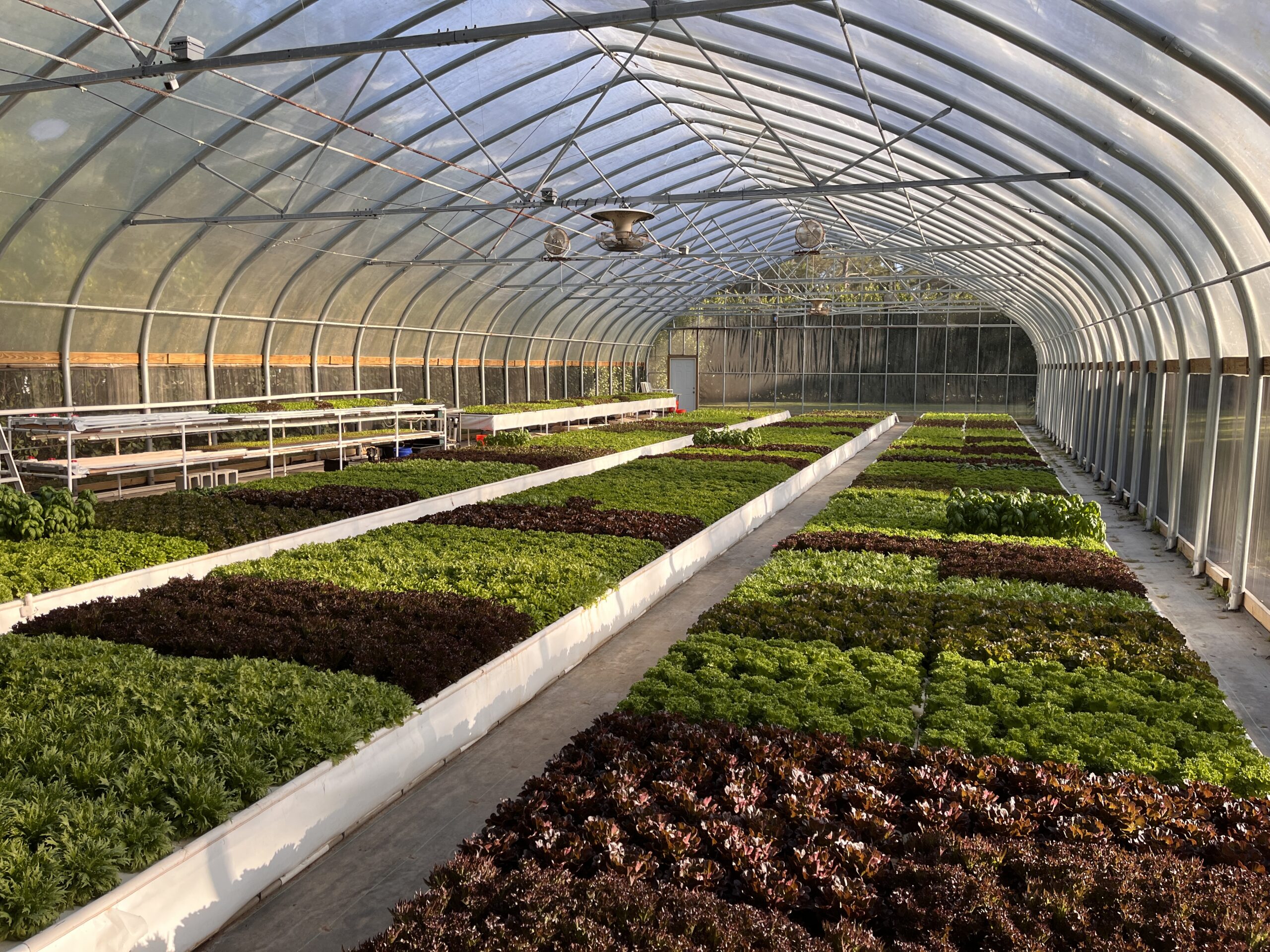
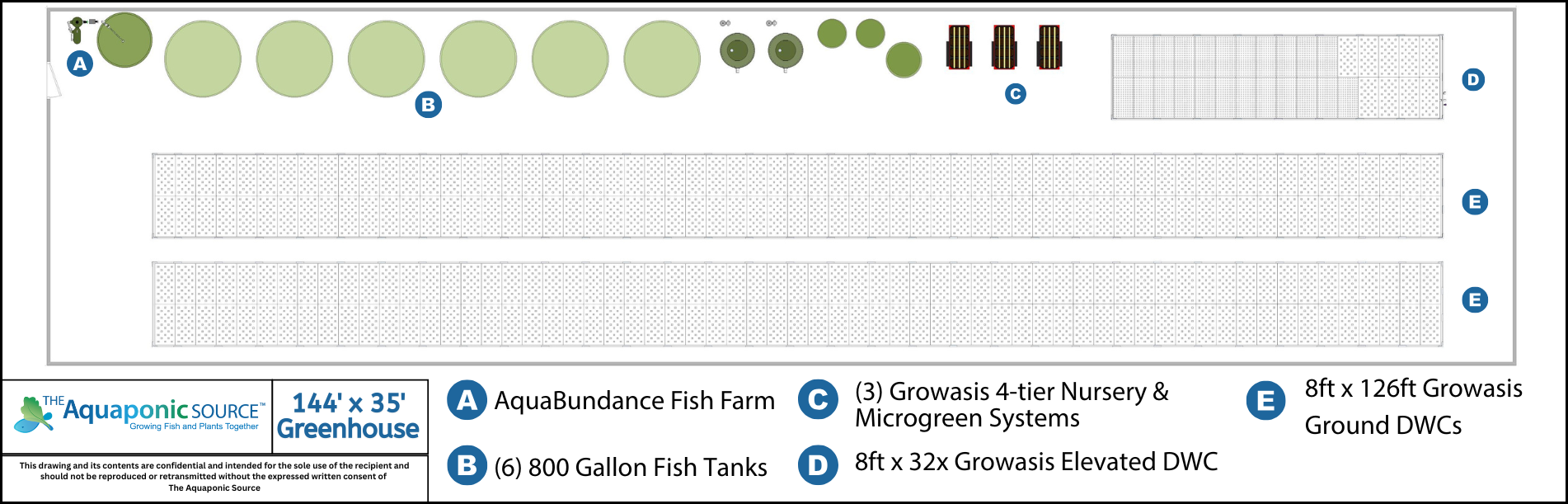
The installation of their Flourish Farm is broken up into two stages. The installation for Phase 1 occurred in December 2024 and Phase 2 was completed in December 2025. Below are the schematics and images from both Phase 1 and Phase 2 of the farm.
The Flourish Farm Aquaponic System
Stage 1
The Plants
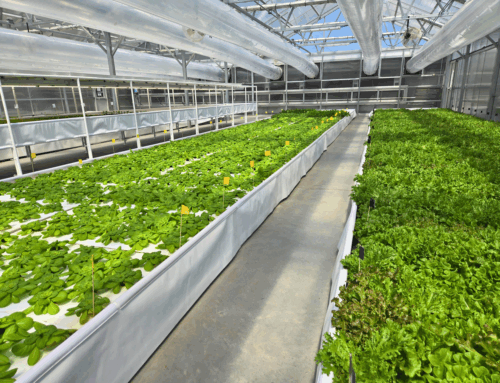
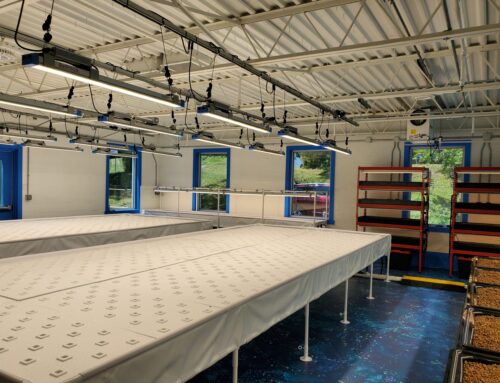
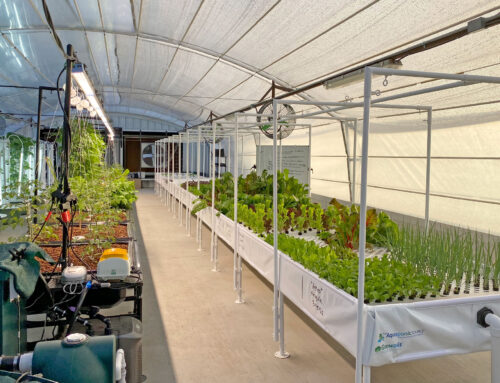
The main grow-out space for the plants is exclusively deep water culture. Three Growasis 4-tier Nursery and Microgreen Systems are home to germinating seedlings and microgreens. Depending on environmental factors, seedlings will germinate on average for about 10-14 days before they’re transplant ready.
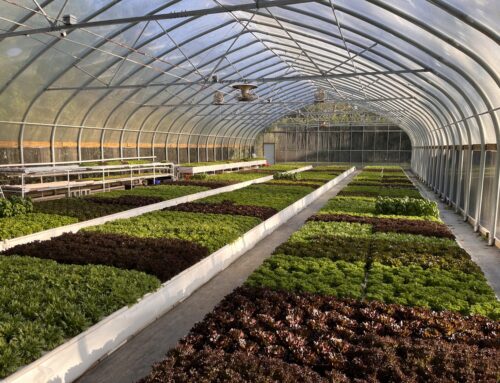
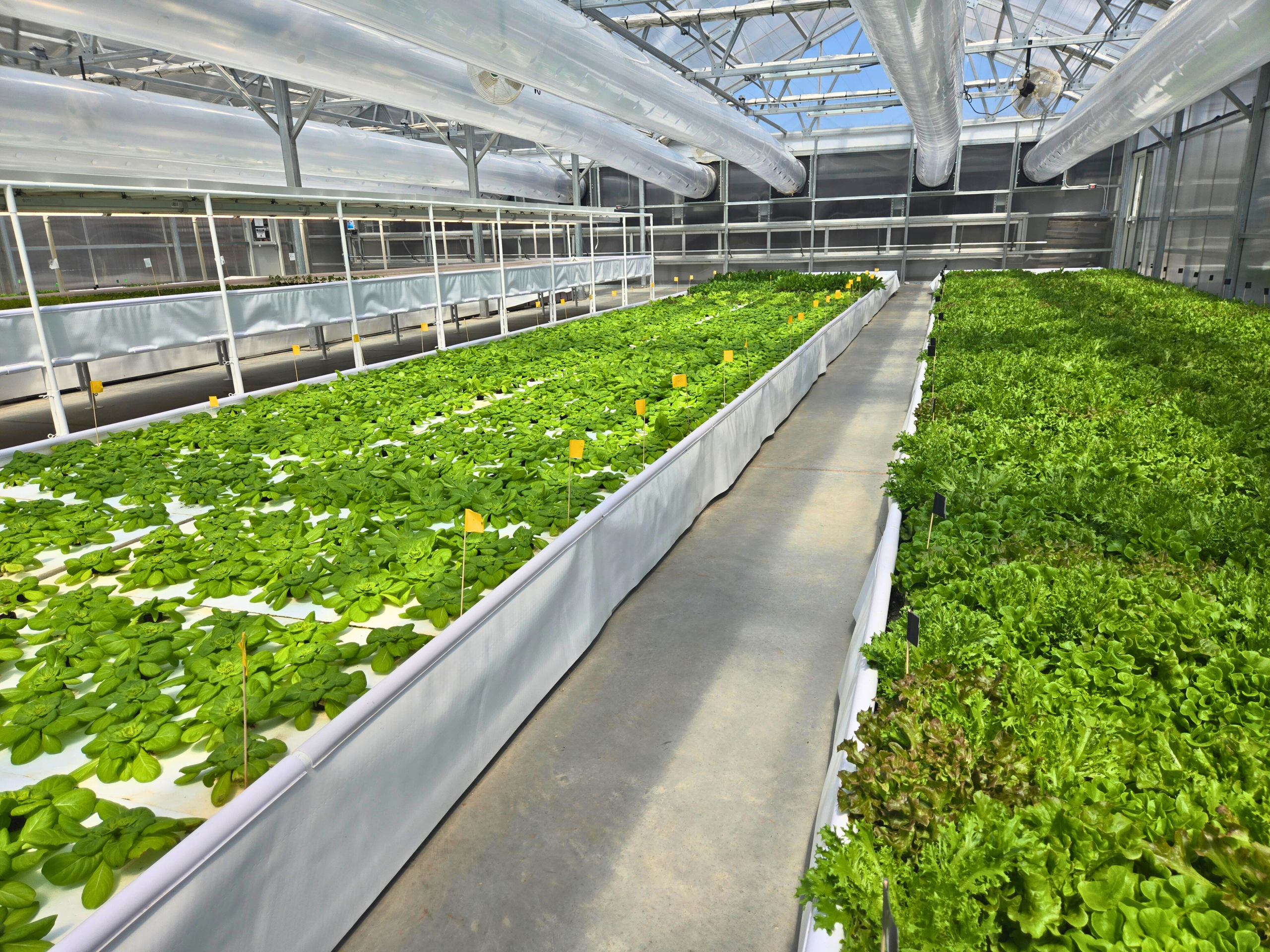
The seedling sprouts will then live out the remainder of their lifecycle atop the floating raft boards inside one of the two 8ft by 126ft Growasis Ground Deep Water Culture System.
There are 3,248 planting spaces within each Growasis DWC system. This dynamic method of growing allows for a conveyor-belt style raft production where young sprouts are transplanted into the system at one end and are gradually pushed down the trough to be harvested five to six weeks later at the other end. An over-sized aeration system using ultra-quiet air pumps provides a continuous supply of air beneath the raft boards.
1,418-1,772 Lettuce Heads Weekly
6,144-7,679 Lettuce Heads Monthly
73,723 – 92,154 Lettuce Heads Annually
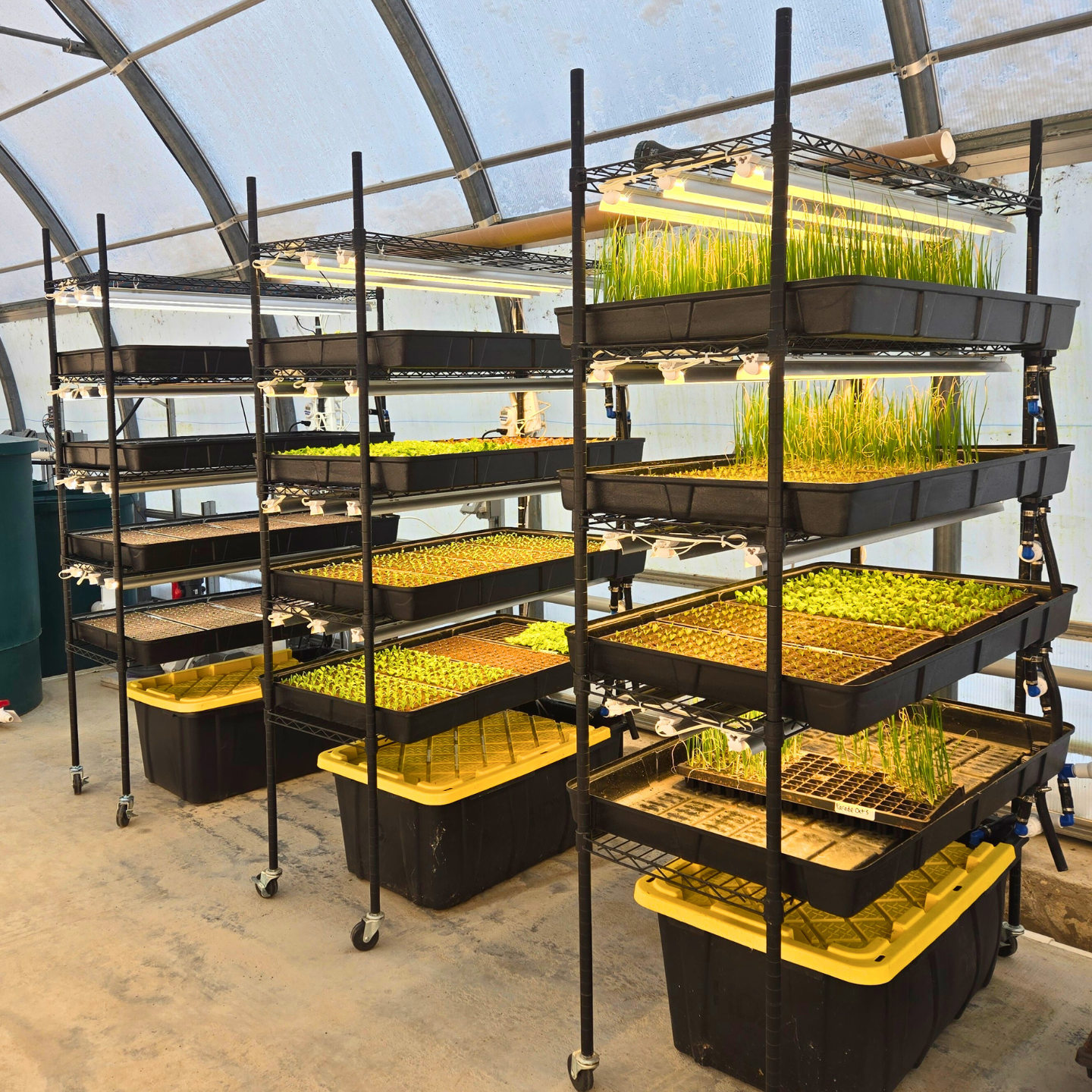
Growasis 4-tier Nursery
32 sq/ft Growing Space per Nursery
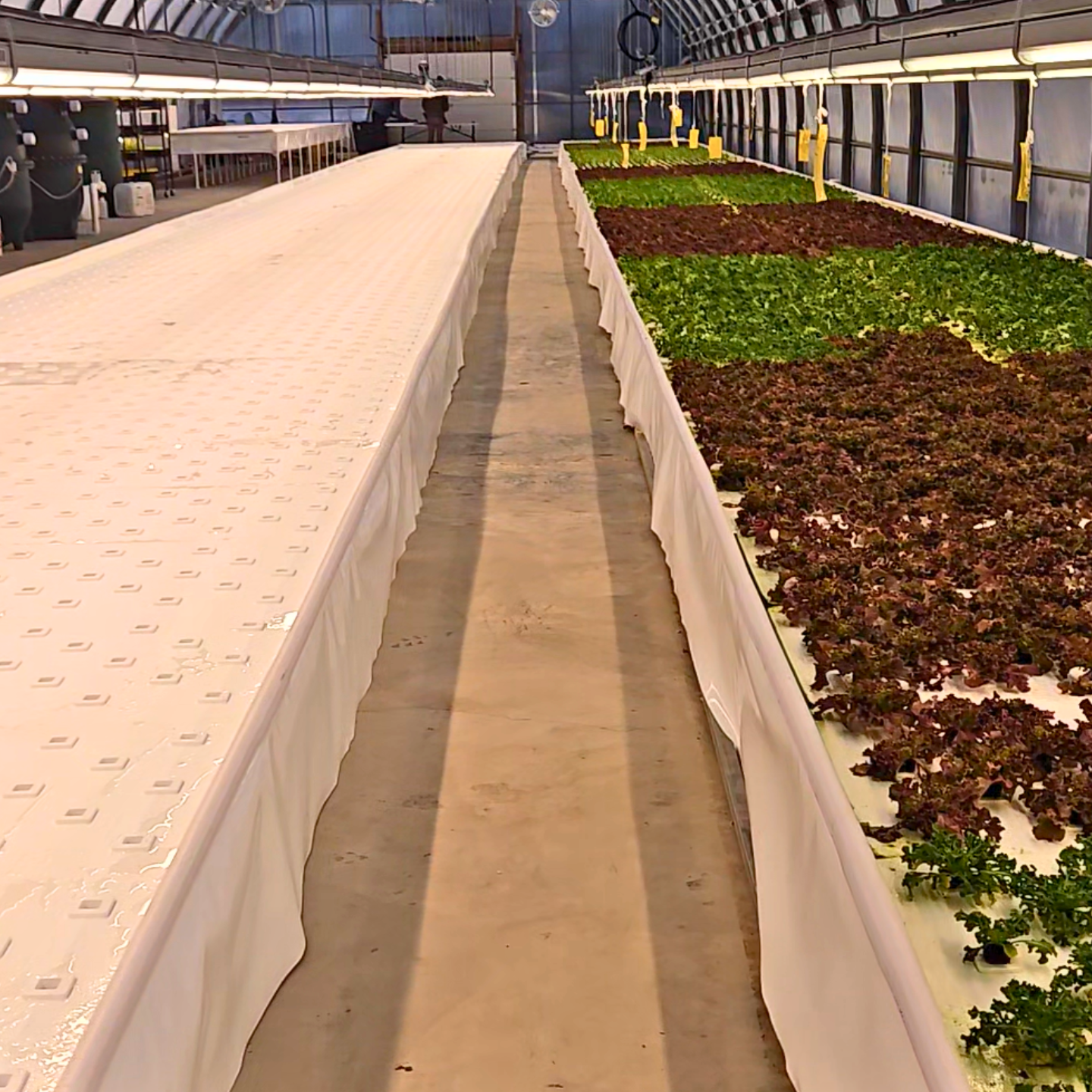
Growasis Ground DWC
8' x 126' : 3,248 Planting Spaces per
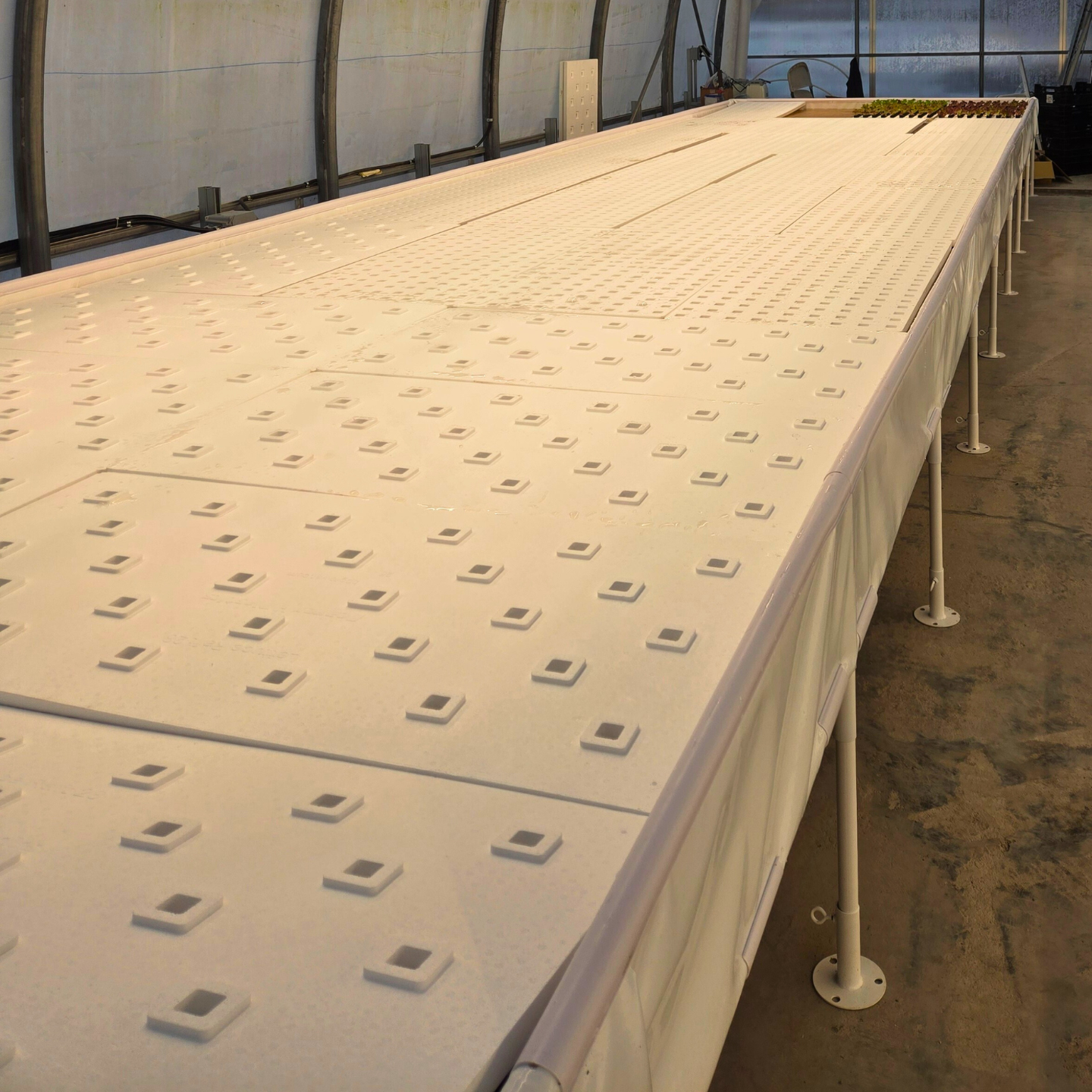
8' x 32' Growasis Elevated
For transplants & static herbs
The Fish
Six 800 gallon fish tanks will be home to 267 fish per tank. The maximum stocking density of the adult cohort will be 0.5lbs per gallon. The farm will harvest 342 lbs of fish every two months. Annual tilapia production is estimated at 2,054 lbs.
Fish solids are separated from the water column by passing through the PolyGeyser Bead Filter where a static bed of beads both captures suspended solids and also provides a surface for the development of a healthy and effective bio filter. A UV sterilizer was installed for post-solids filtration to eliminate harmful pathogens that can lead to disease or algae growth. Due to the scale of the plant space, we installed two of each filters, each assigned three of the six fish tanks.
The fish system and the plant system each have their own dedicated sump tank. All of our aquaponic farms are designed to operate as coupled or decoupled. Decoupling the systems from each other is useful when targeting nutrient amendments, disease control, or when raising fingerlings that aren’t eating enough feed yet to supply the required amount of nutrients for the plants.
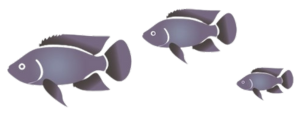
267 Tilapia per Tank
0.5lbs per Gallon Stocking Density
2,054 lbs Tilapia Annually
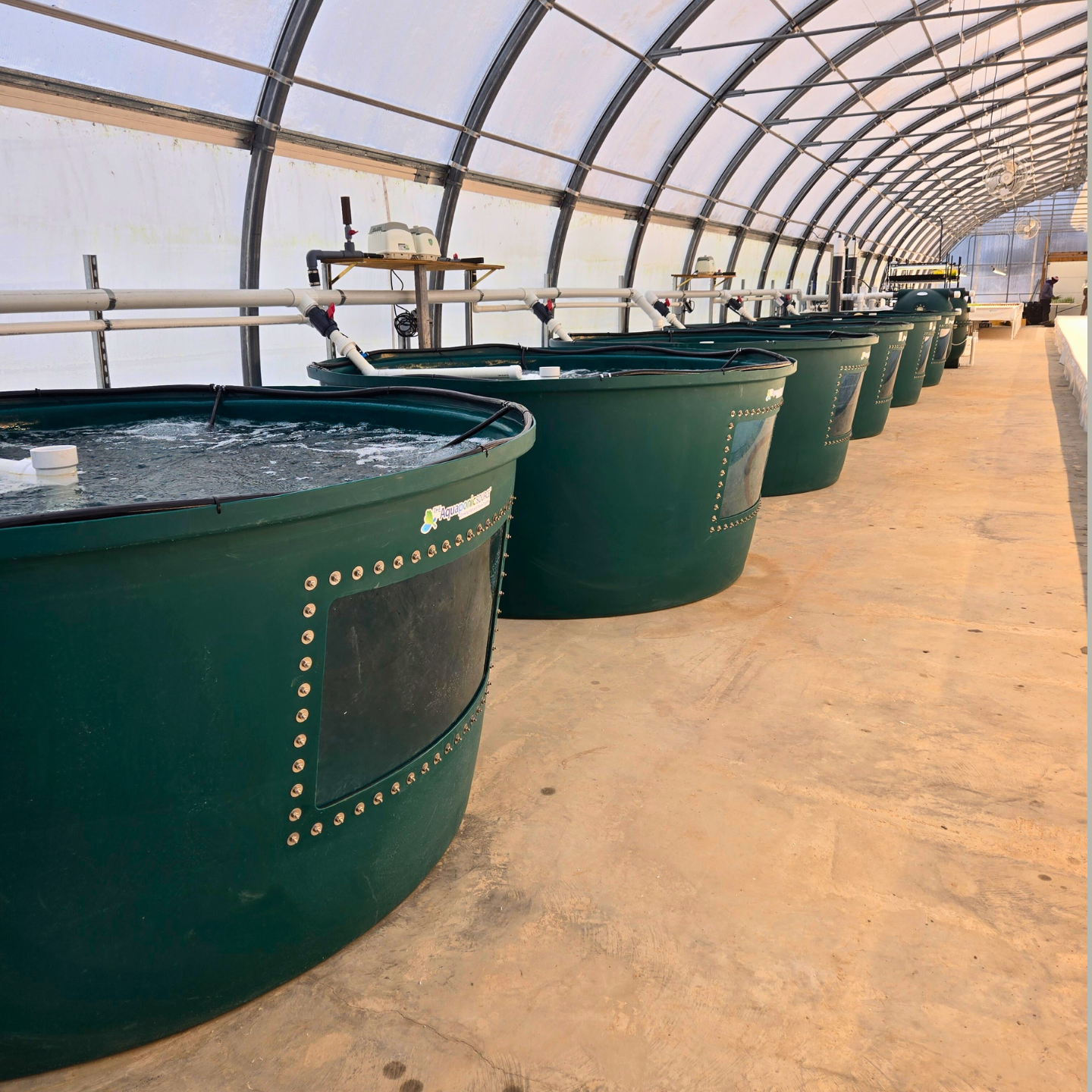
(6) 800 Gallon Fish Tanks
With Optional Viewing Windows
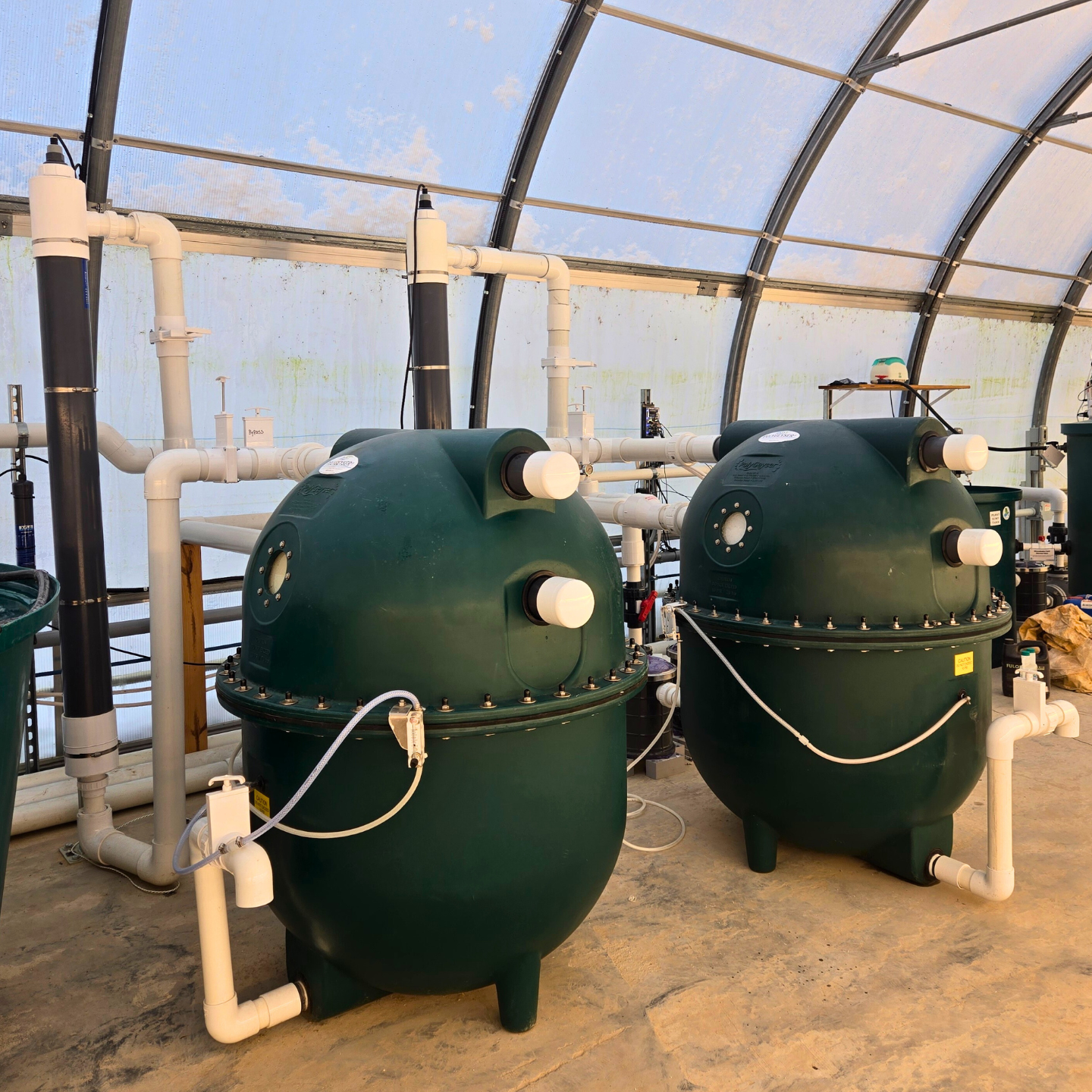
PolyGeyser & UV
Solids Filtration, Nitrification & Algae Control
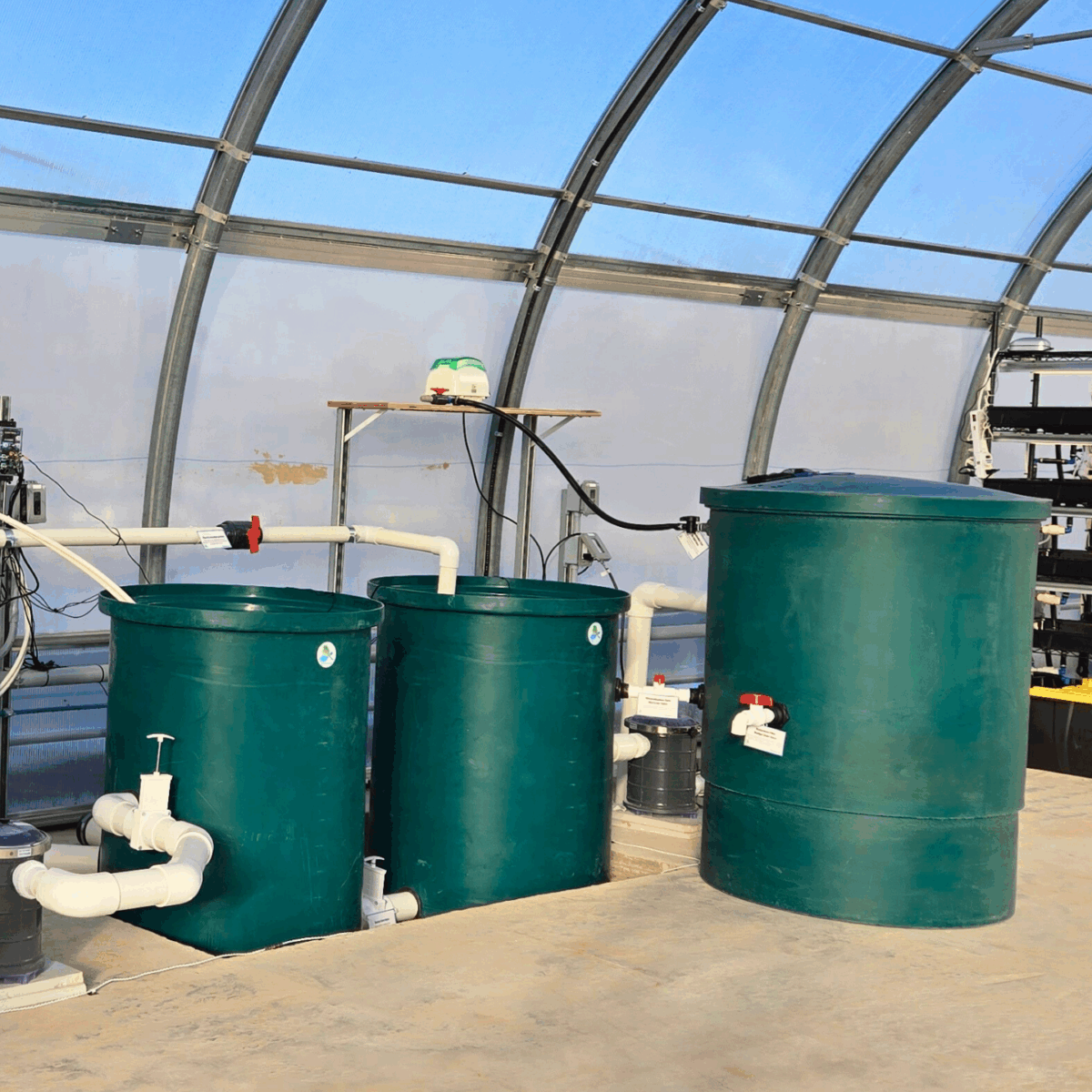
Fish & Plant Sump, Mineralization
Decoupling & Nutrient Retention
The Add-Ons
Several components are either required or recommended for efficient, optimal farming. No two farms are ever alike. We provide several options for our farmers so that each farm has the equipment and resources available to succeed from start up to harvest.
First up is our 200 gallon AquaBundance Fish Farm, a complete recirculating aquaculture system (RAS) designed to operate independently as a small fish rearing, quarantine or purge system. It comes complete with an Endurance Bead filter, sump tank, UV sterilizer, water heater, aeration system and all plumbing connections.
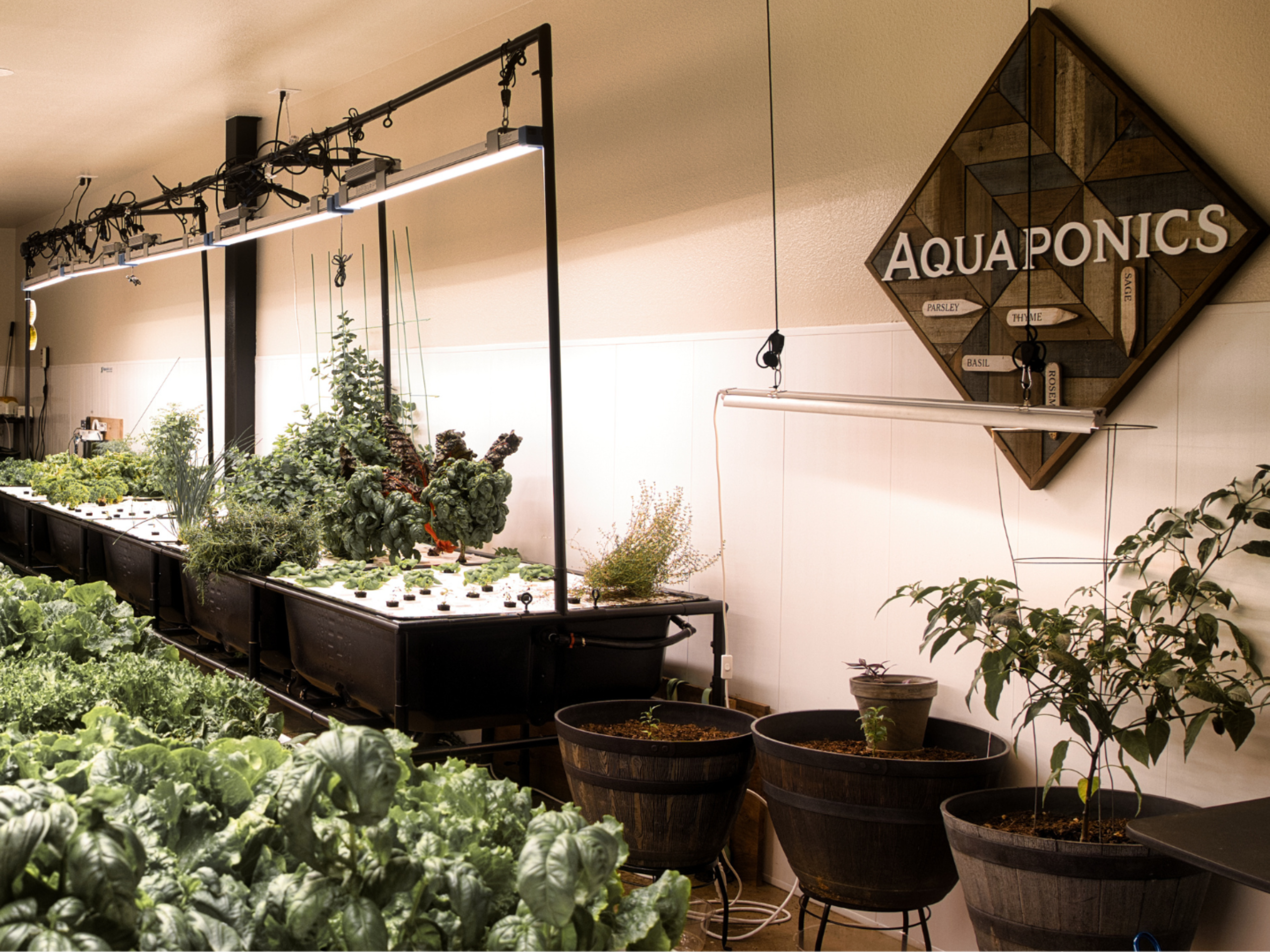
Grow lights are a key requirement for plant growth in many regions without sufficient year round sun light. For Taproot Farm, we used Boost XE LED Light Bars from Thrive Agritech, a key partner of ours for both home and commercial farm systems. We can design a grow lighting system that includes light sensors and automatic timers so that the lights operate only when the daily light integral (DLI) is below the required threshold.
Monitoring is critical for peace of mind when you’re away from the farm. The wifi-enabled HYDROS monitor was installed with various probes and sensors to track pH levels in both the fish and plant sump, water temperature, flow rate, leak detection, and water level sensors.
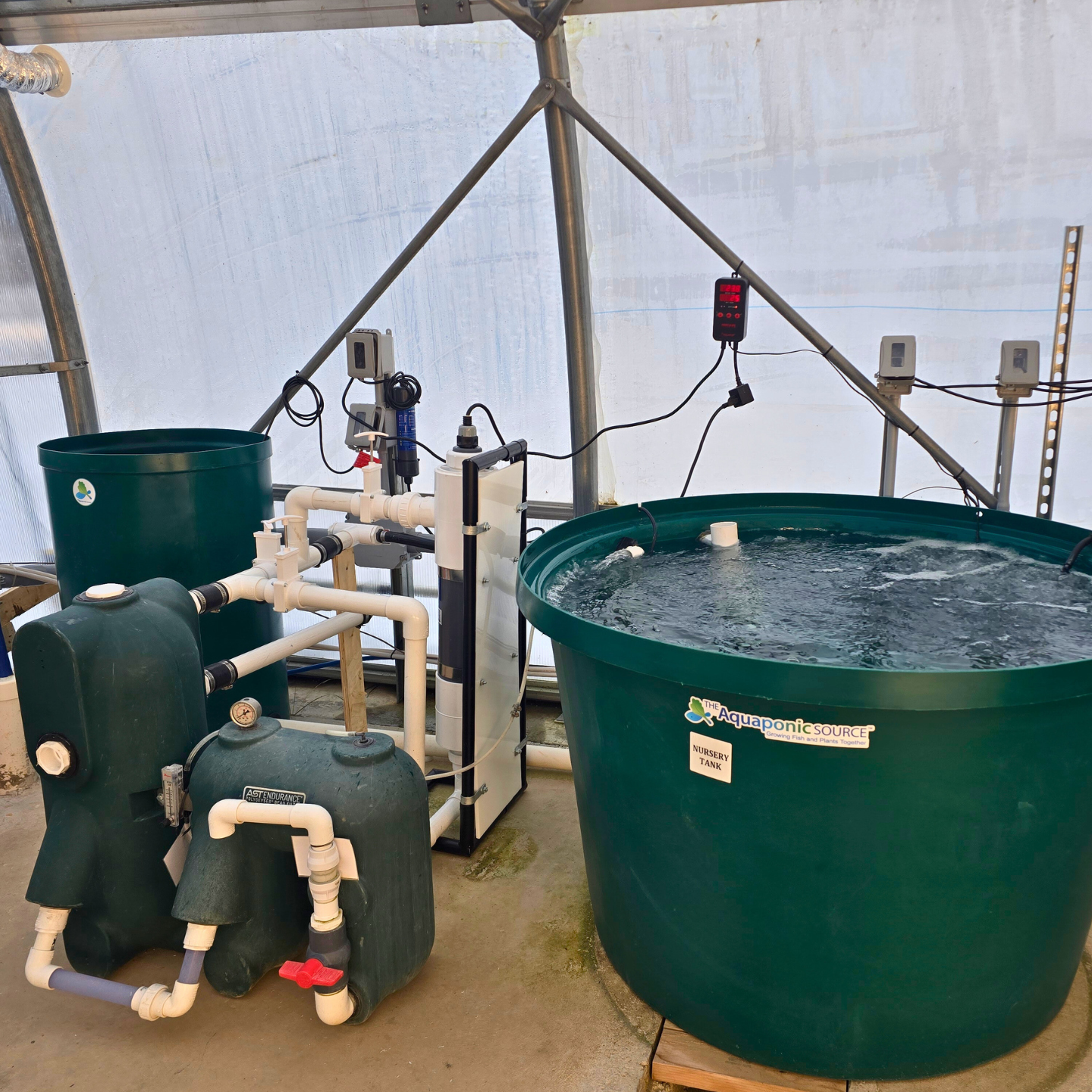
AquaBundance Fish Farm
Quarantine & Purge
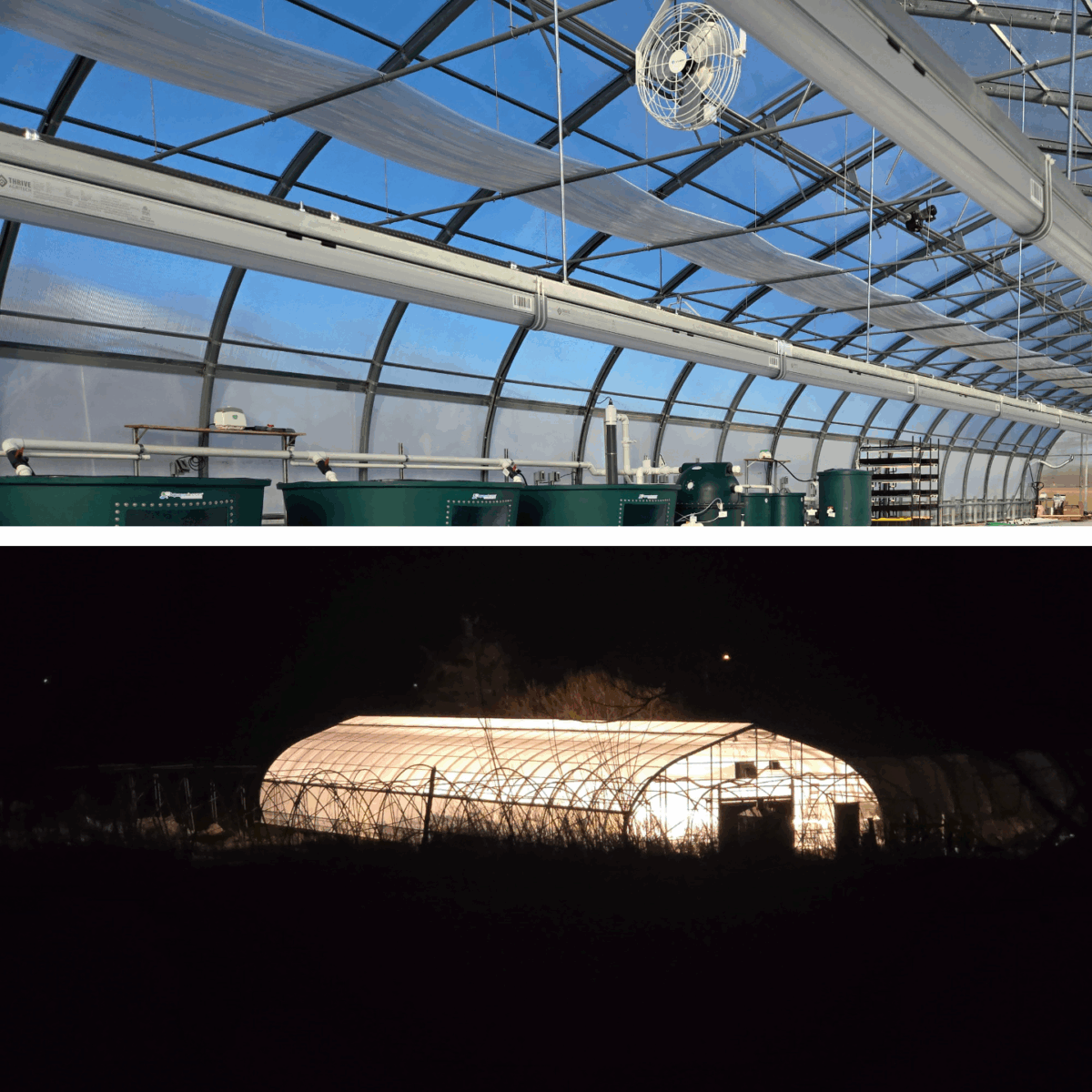
Grow Lighting
Off In the Day, On When Needed
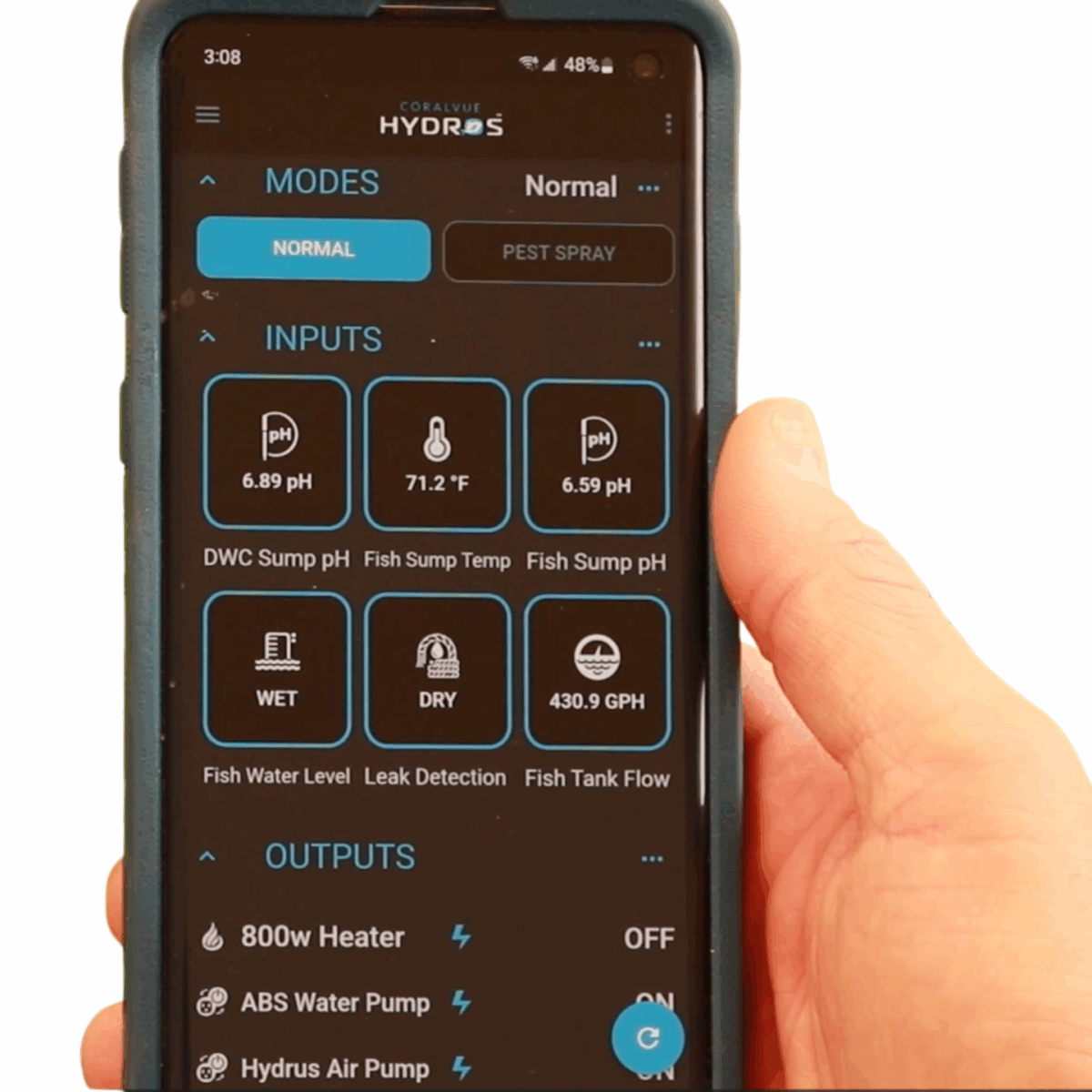
HYDROS Monitoring
pH, Flow Rate, Temp, Leaks & More
The Market
With a farm operation founded over a century before the formation of Canada as a country, Noggins Corner Farm continues to grow and promote responsible and sustainable agricultural practices. In tandem with Noggins Corner Farm, TapRoot Farms combines both soil-grown produce and aquaponic leafy greens. Today, the operation has several farm markets where customers can shop for delicious seasonal produce, year round.
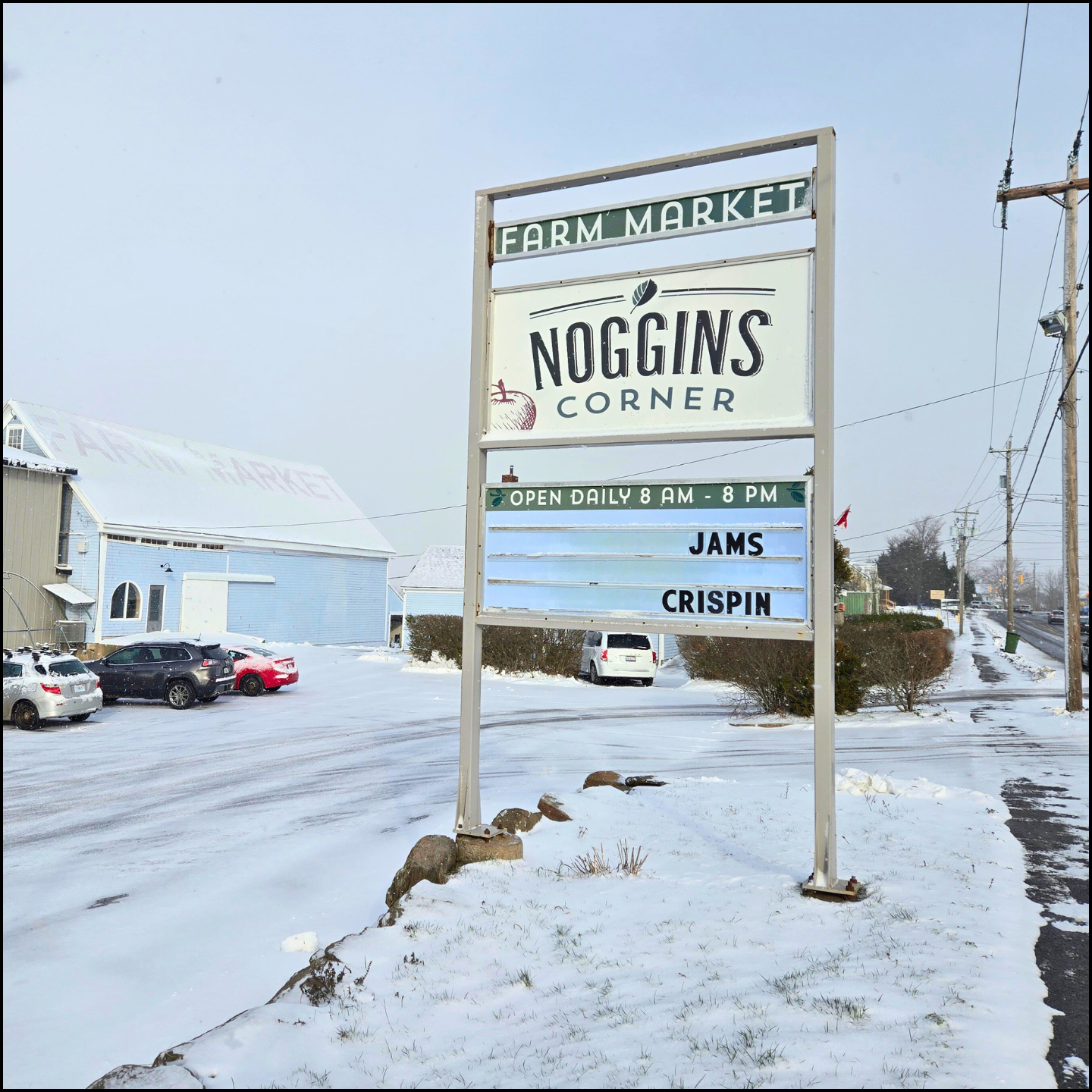
Farm Market
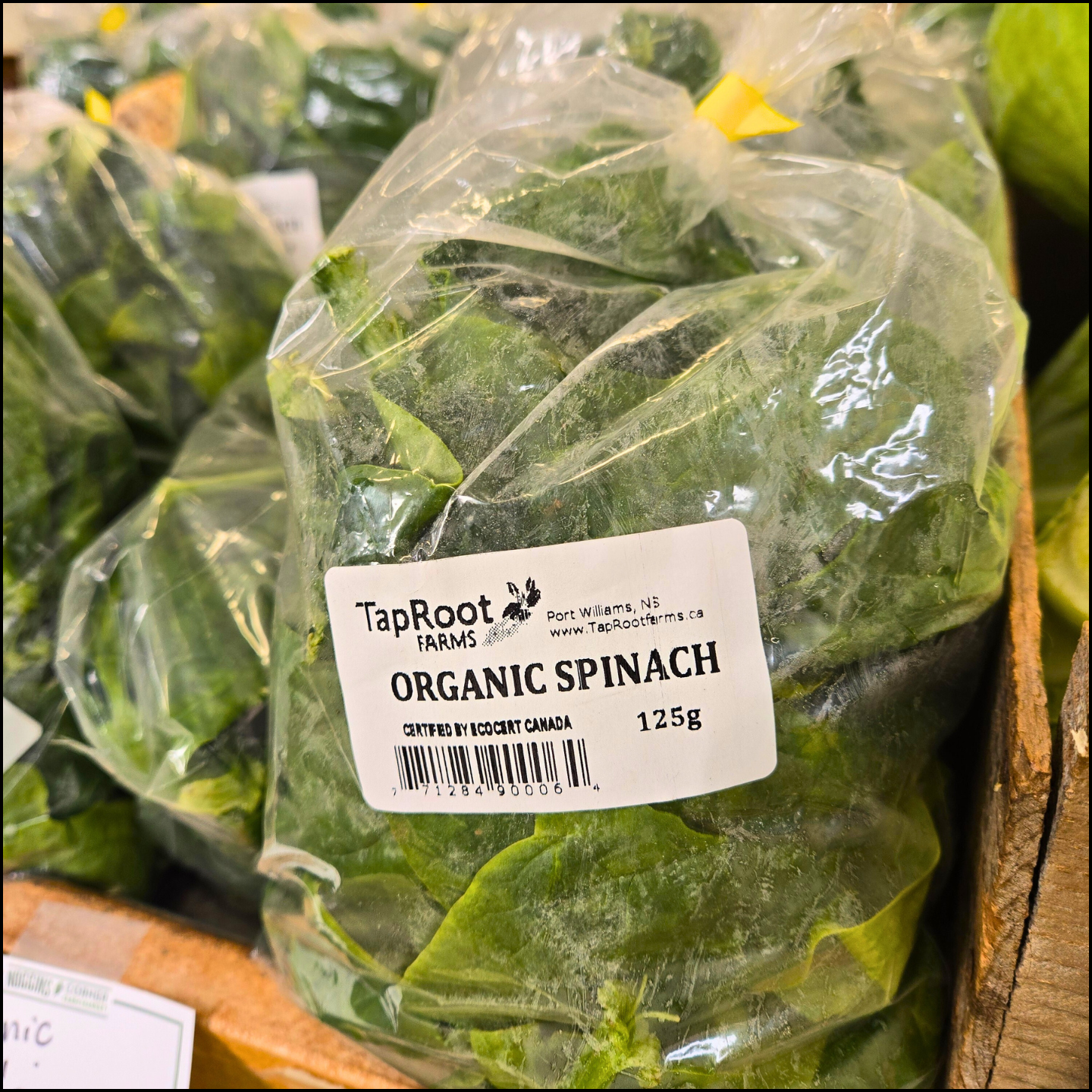
Locally Grown!
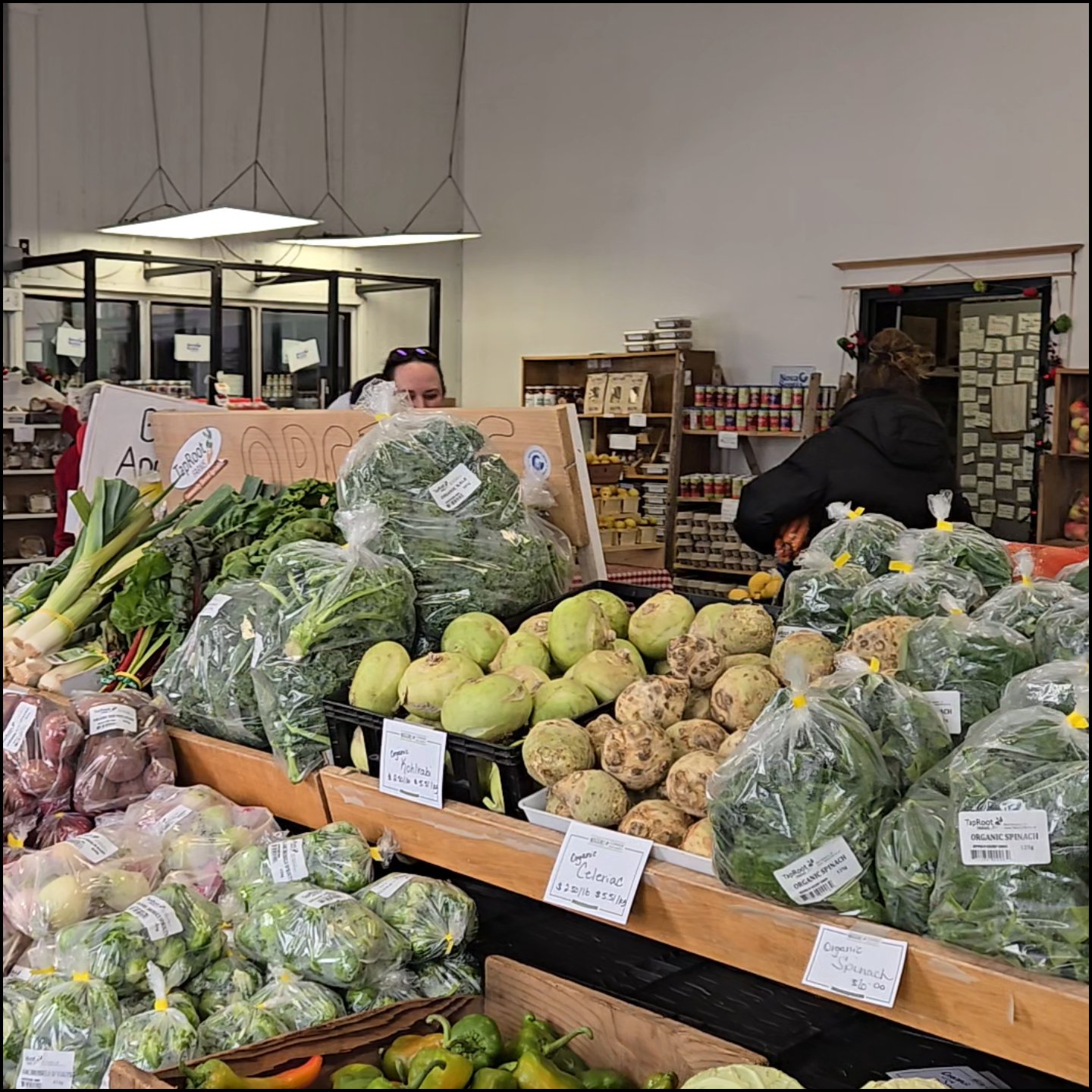
TapRoot Produce

TapRoot Farms is more than just an aquaponic greenhouse. The family grows delicious veggies and fruit, raises free-range hens for eggs, and pastured animals for meat.
With over 280 soil farming acres, 140 CSA shares, and a resounding 70% organic transition, TapRoot Farms does an excellent job of demonstrating the co-existence of regenerative soil practices alongside sustainable aquaponic farming.