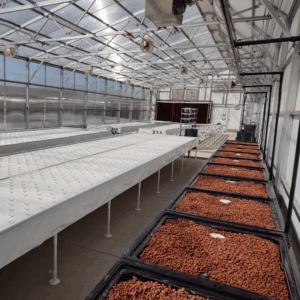
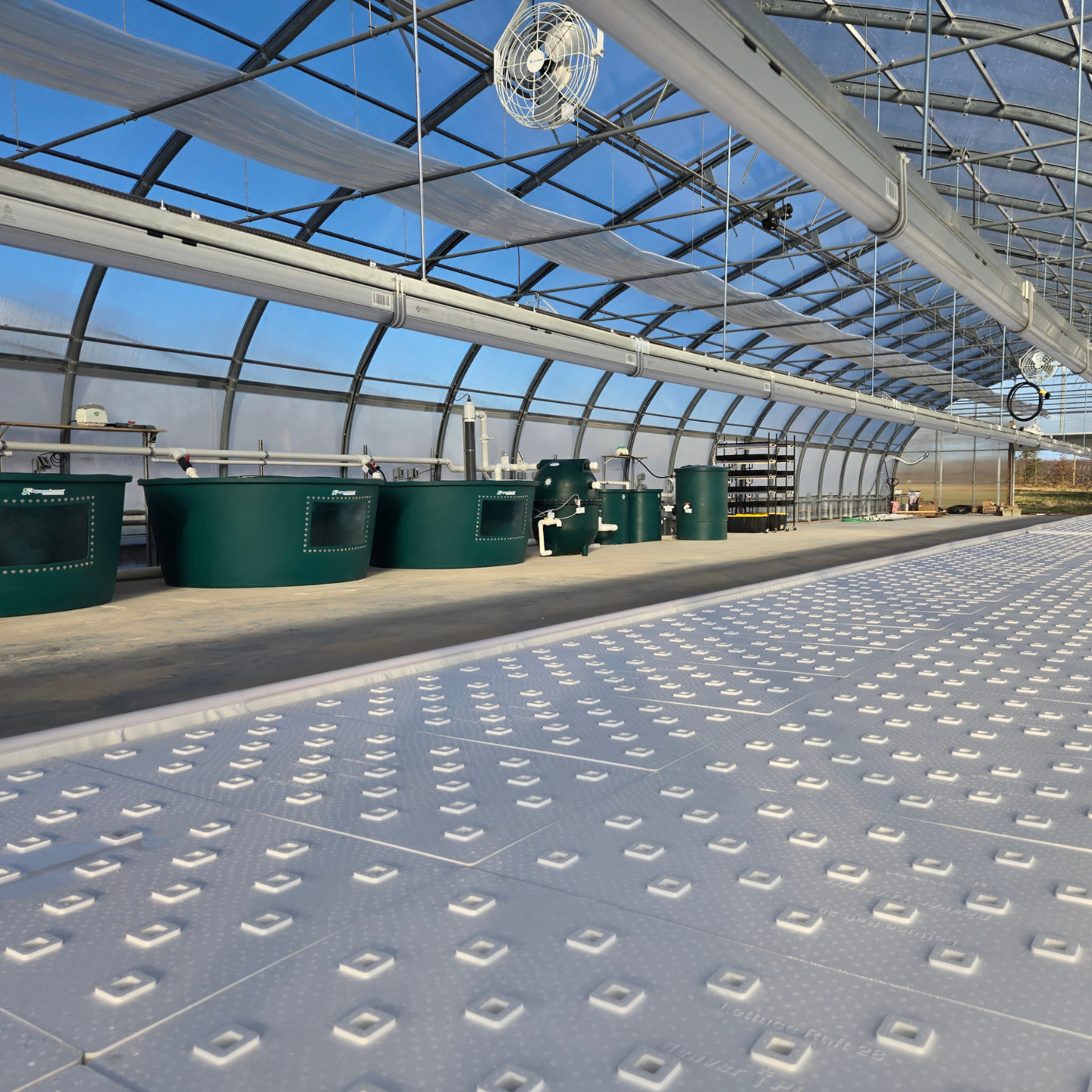
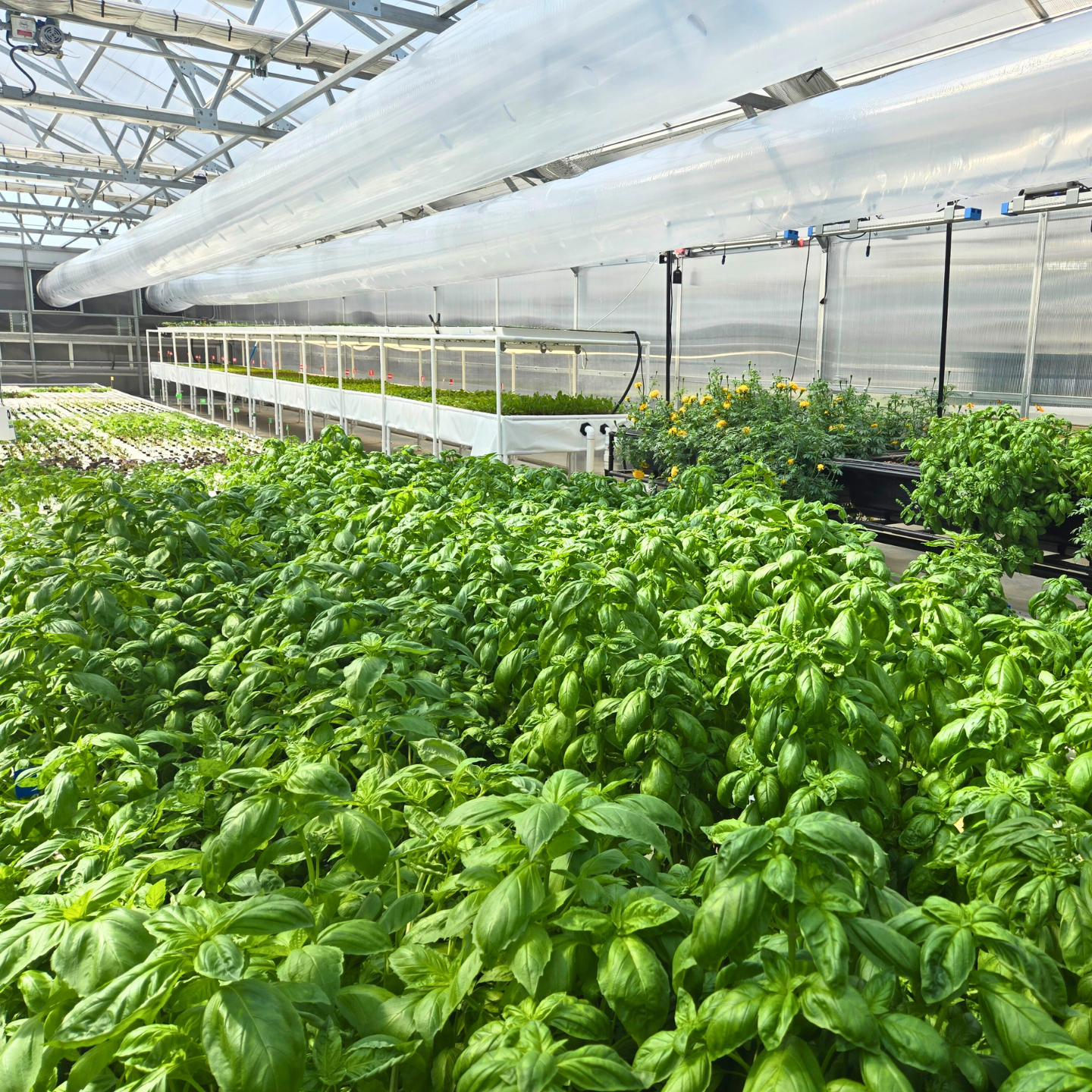
Integrate an aquaponic greenhouse into your farm for season extension, fodder, compost, specialty crops, soil fertility and more…
Full White Roll-up with Header
Clean water flowing over a surface
Strategic Benefits

Strategic and Revenue Benefits

  • Year round production
  • Crop diversification
  • Food free from harmful pesticides
  • Value added product options
Full White Roll-up with Header
Clean water flowing over a surface
Resource Efficiency & Circularity

Resource Efficiency and Circularity

  • Recirculating systems reuse water
  • On-farm nutrient recycling
  • Lower fertilizer purchases
  • Fish effluent as fertigation
Full White Roll-up with Header
Clean water flowing over a surface
Risk Management and Reslience

Risk Management and Resilience

  • Crops protected from climate events
  • Specialty crops diversify income
  • Bio-Security reduces pest pressure
  • High output per square foot
Full White Roll-up with Header
Clean water flowing over a surface
Environmental Stewardship

Environmental Stewardship

  • Zero waste crop production
  • Reduced land disturbance
  • Water conservation and reuse
  • Fish species conservation
Full White Roll-up with Header
Clean water flowing over a surface
Soil Farm and Greenhouse Integration

Farm and Greenhouse Integration

  • Nursery hub and season extension
  • Compost for fodder and soil health
  • Complimentary crop production
  • Thermal mass and climate control
Full White Roll-up with Header
Clean water flowing over a surface
Market and Community

Market and Community

  • Predictable weekly volumes
  • CEA education and agritourism
  • Fish as a second enterprise
  • Farm stand integration

Featured Projects

Dahlia Campus for Health and Well-Being – Denver, CO

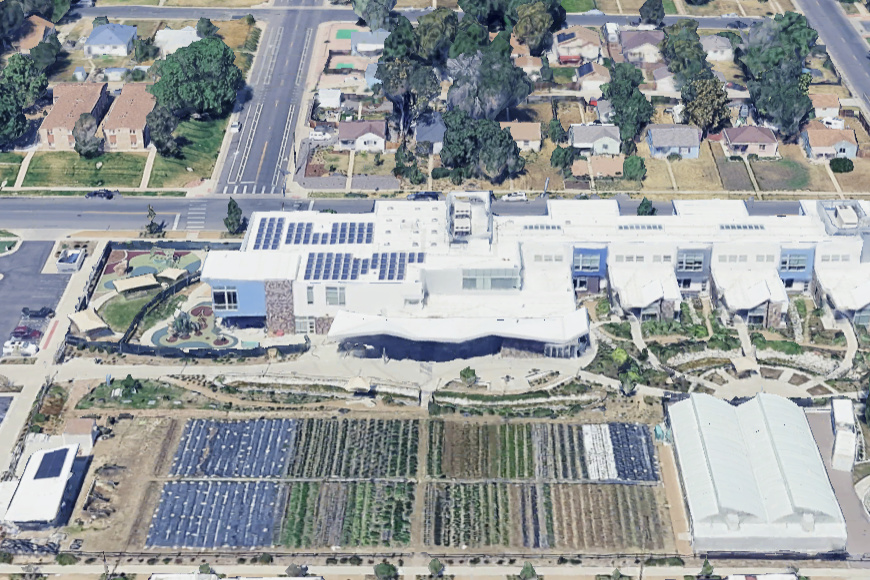
In 2015 we designed and built a 5,400 sq ft aquaponic greenhouse that is still running strong. The property is owned and operated by WellPower, Colorado’s largest community mental health center.

Understanding that food is the first form of medicine, WellPower had the vision to grow a wide variety of fresh, nutritious food in the community.

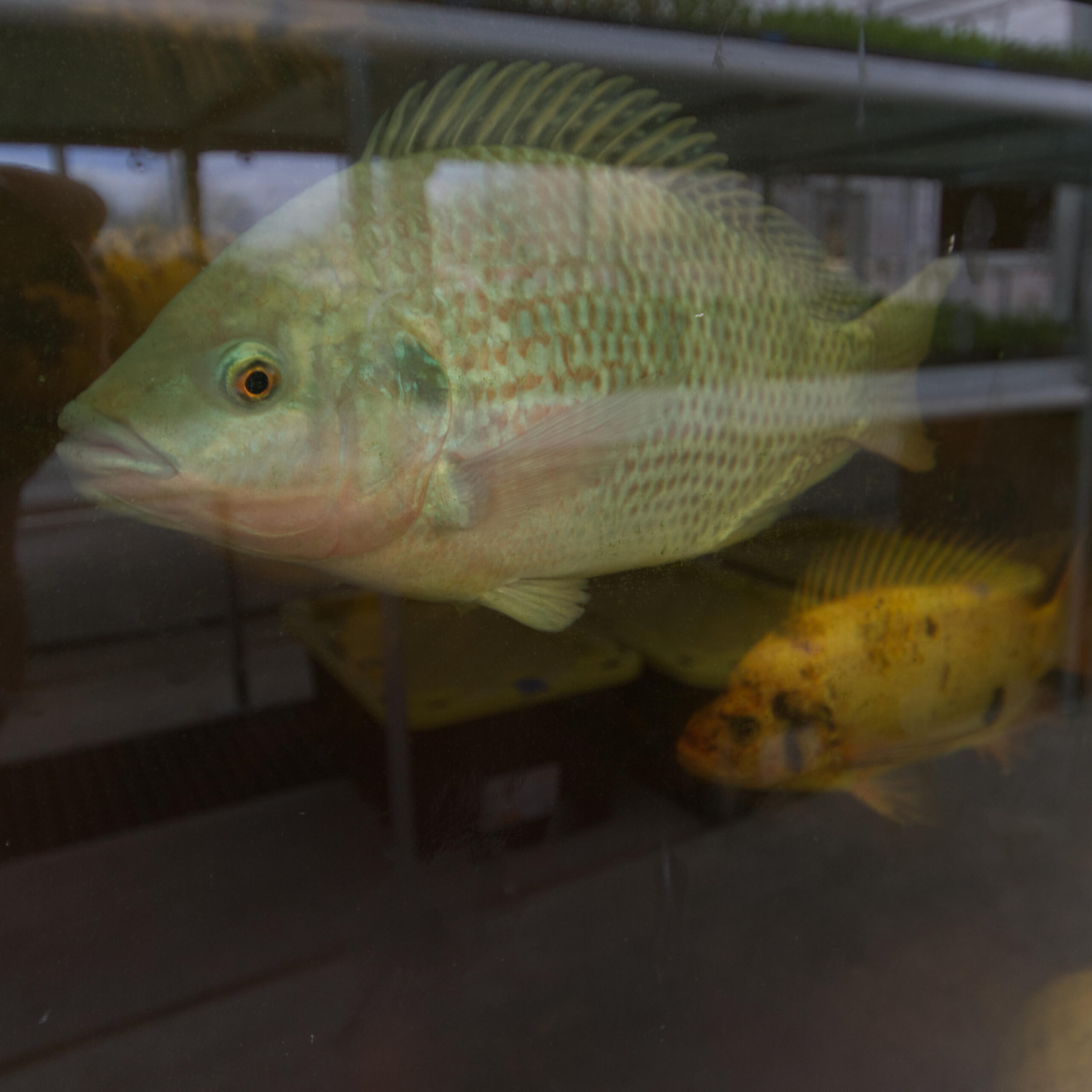
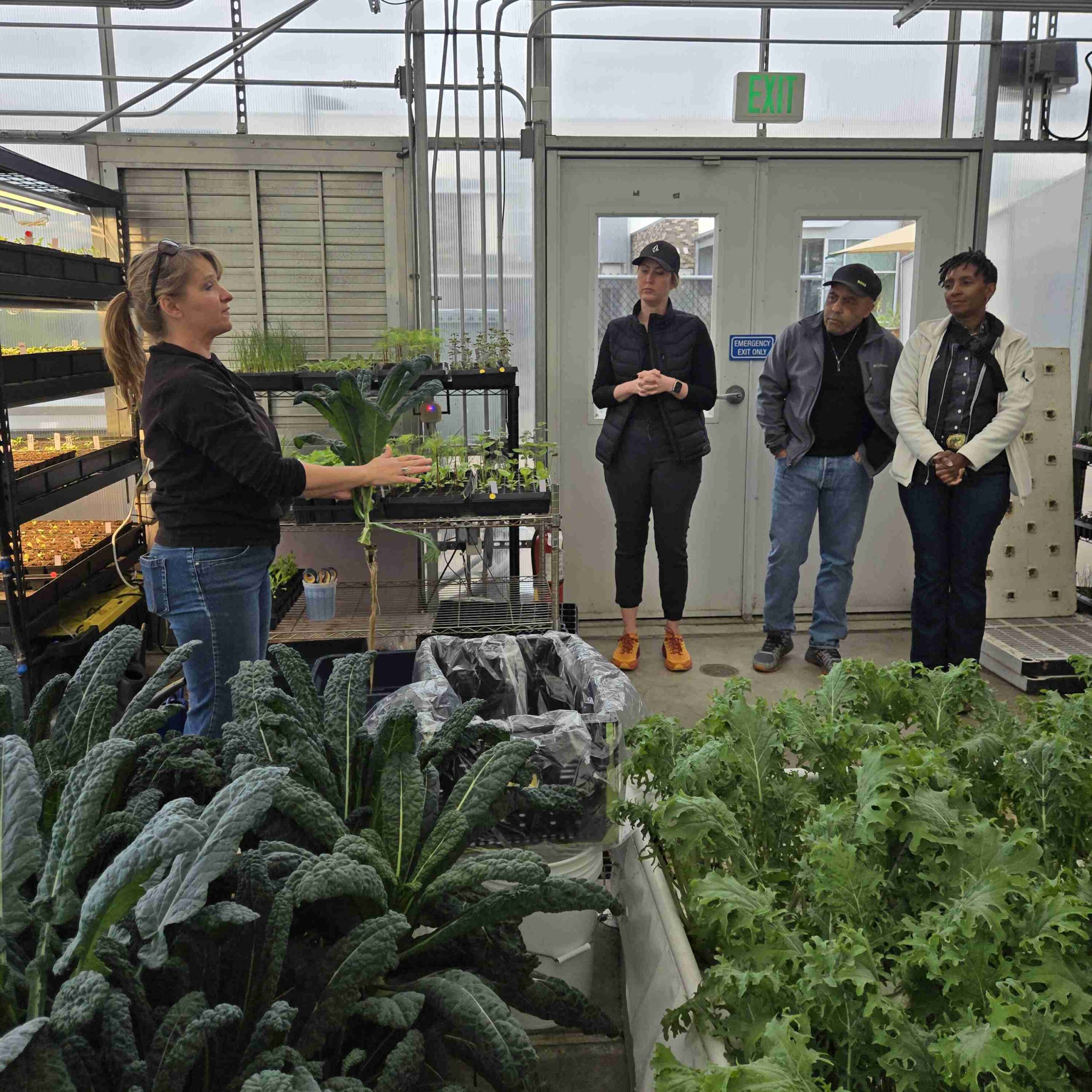
The greenhouse provides early season starts and nutrient rich fish water to the outdoor farm, while growing leafy greens, collards, herbs and fish year round.
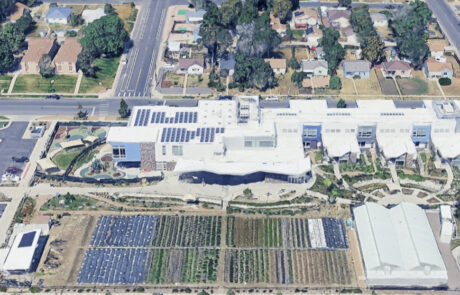
Google Earth view of Aquaponic Greenhouse (right), soil farm south of the greenhouse and community farmstand (left).

TapRoot Farms – Port Williams, Nova Scotia
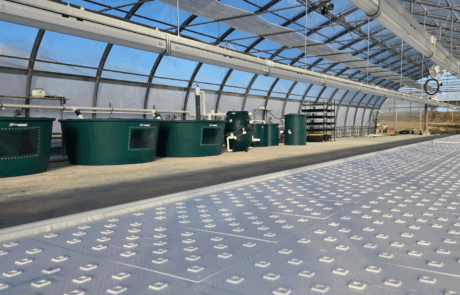
Flourish Aquaponic Farm Build – Phase 1

taprootfarms_logo2

TapRoot Farms is more than just an aquaponic greenhouse. The family grows delicious veggies and fruit, raises free-range hens for eggs, and pastured animals for meat.

With over 280 soil farming acres, 140 CSA shares, and a resounding 70% organic transition, TapRoot Farms does an excellent job of demonstrating the co-existence of regenerative soil practices alongside sustainable aquaponic farming.